 by
Published · 5 min read
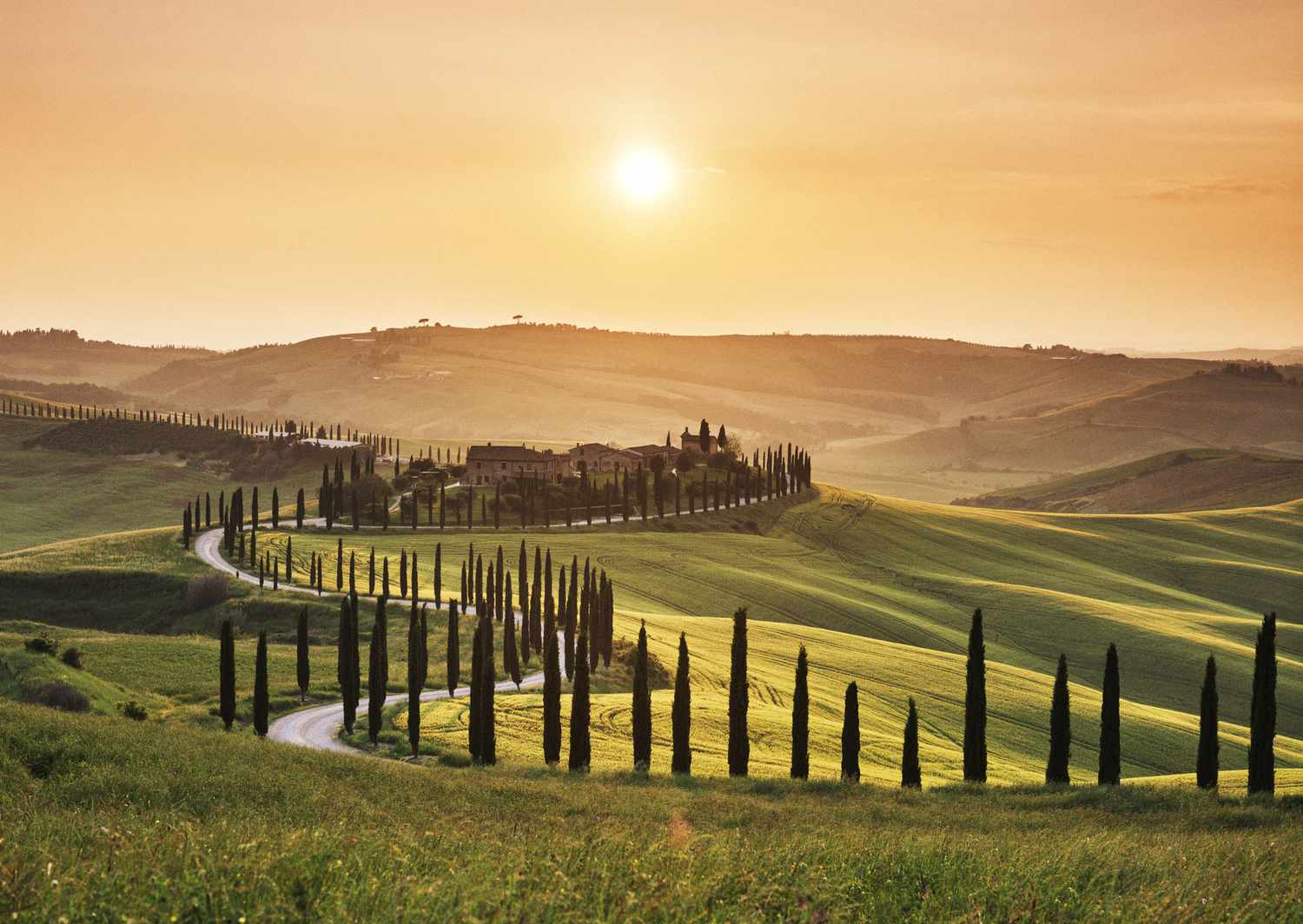
Tuscany is the region many people picture when they think of owning a home in Italy: stone farmhouses on cypress-lined hills, vineyards, art cities and a long Tyrrhenian coast. It has by far the most homes for sale on Realpoint, and it is also one of the most expensive regions we cover. This guide looks at what is actually for sale in Tuscany on Realpoint, what different budgets buy, and what to check before you sign anything.
For an introduction to the region itself, its provinces and transport links, see our Tuscany property page.
What’s on the market in Tuscany
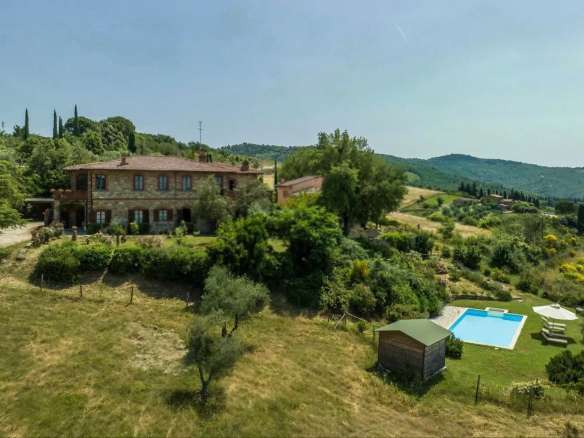
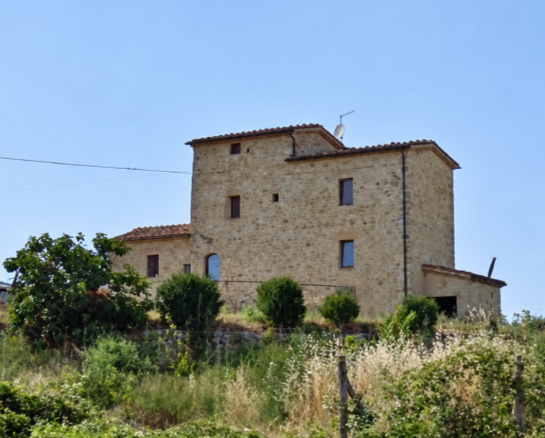
- Farmhouses and villas make up about two thirds of the homes listed, in roughly equal numbers: restored stone casali, country villas and homes with land.
- Apartments are around one in seven, and village and town houses about one in ten. Country estates make up most of the rest.
- Terraces, fireplaces and gardens are the most common features. Nearly two homes in five have a swimming pool, and roughly one in eight comes with an olive grove.
- The typical home has three bedrooms.
Unlike neighbouring Umbria, Tuscany on Realpoint is mostly a market of finished homes. Where a listing states the condition, the large majority need no work at all, and properties for full restoration are only a small share. If you are looking for a renovation project, expect to search harder and look beyond the best-known areas.
What does a home in Tuscany cost?
Asking prices run from a few tens of thousands of euros at the very bottom to well over €20 million for the largest estates. In practice:
- Half of all homes are listed between about €390,000 and €1.85 million.
- Close to half are priced above €1 million.
- Only around one in twenty is under €100,000.
Apartments and town houses are the least expensive way in: a typical apartment is listed at around €425,000 and a typical house at just over €500,000. Farmhouses and villas sit well above that, with typical asking prices of over €1 million, because most come with land, a pool and the restoration already done.
What your budget buys
- Under €150,000: a small part of the market. Mostly village houses and smaller homes, often needing work, and more likely in less famous areas such as Lunigiana in the north-west. See Tuscany homes under €150,000.
- €150,000–€400,000: apartments, village and town houses, and smaller country homes. Roughly a quarter of Tuscan listings are below about €400,000.
- €400,000–€1 million: larger houses, city apartments and some restored farmhouses away from the most sought-after hills.
- €1 million and above: restored farmhouses and villas with pools, olive groves and vineyards, wine estates, and homes near the sea in places such as Forte dei Marmi. See Tuscany homes with a pool.
Where the homes are
Siena has the most listings on Realpoint, followed by Pisa, Grosseto and Florence. Massa-Carrara, Arezzo, Lucca and Livorno also have a good choice, while Pistoia and Prato have only a handful. The busiest towns are:
- Volterra: the busiest single market on Realpoint in Tuscany, a hill town in inland Pisa province, with homes both in town and in the countryside around it.
- Florence: apartments in the city and villas in the surrounding hills.
- Cortona, Montepulciano and Castellina in Chianti: hill towns surrounded by restored farmhouses, olive groves and vineyards.
- In Lunigiana: Fivizzano and Bagnone, in the far north-west, where stone village houses and rural homes are generally more modest in price.
- On or near the coast: Castiglione della Pescaia in the Maremma, Forte dei Marmi in Versilia, and the walled city of Lucca a short drive inland.
Sea-view homes are relatively few on Realpoint in Tuscany. If you are set on the coast or the islands, save a search and check back regularly.
Five things to check before buying in Tuscany
1. Landscape and heritage protection
Large parts of Tuscany, especially Chianti, the Val d’Orcia and the historic town centres, are under landscape or heritage protection (vincolo paesaggistico). Most changes to the outside of a building or its grounds need permits. Before you buy with plans in mind, ask a local geometra what would be allowed on that particular property.
2. Agricultural land and agriturismo rules
If you are buying an estate with farmland, vineyards or an existing agriturismo, the land and the business come with their own rules. Find out how the land is classified, what the current activity is registered as, and what you would need to keep it running, before you rely on it for income.
3. Running costs of a large estate
Land, pools and private roads all cost money every year, whether you are there or not. Ask the seller for recent running costs, find out who currently looks after the land and the pool, and include upkeep of access roads in your budget.
4. Short-term rentals in Florence
Florence has introduced limits on new short-term rentals in its historic centre. If you are buying there with holiday lets in mind, check the current rules before you plan around rental income.
5. Wells and water supply
Many country homes are not on mains water. Check where the water comes from, whether any well is registered, and whether the supply is enough for the house, the garden and a pool through the summer.
Buying costs in brief
On top of the price, allow roughly 7–15% for taxes and fees, depending on the property and your situation:
- Registration tax when buying from a private seller: 9% of the property’s cadastral (land-registry) value for a second home, or 2% if it will be your main home in Italy, plus small fixed taxes. From a builder, VAT applies instead.
- Notary: required by law for every purchase.
- Estate agent: in Italy both buyer and seller usually pay the agent. Agree the percentage in writing at the start.
- Your own surveyor and lawyer: strongly recommended, especially for older rural homes.
You will also need an Italian tax code: see our guide to getting your codice fiscale. Our article on the 7 most common mistakes foreign buyers make is worth reading before you make an offer.
This is general information, not legal or tax advice. Always confirm costs and rules with a notary, geometra or commercialista for your own purchase.
Frequently asked questions
Is Tuscany more expensive than Umbria?
Yes. The typical asking price on Realpoint in Tuscany is several times that in Umbria, partly because Tuscany has far more restored farmhouses, villas and luxury homes listed.
Can I find a house in Tuscany for under €100,000?
Occasionally. Only around one in twenty Tuscan homes on Realpoint is under €100,000, and these are mostly small village houses, often needing work.
Which parts of Tuscany have the most homes for sale?
The province of Siena has the most listings on Realpoint, and the busiest towns are Volterra, Florence and Cortona, followed by Fivizzano, Castiglione della Pescaia and Montepulciano.
Start your search
Browse all homes for sale in Tuscany, or simply describe your ideal home in our AI search, for example “restored farmhouse with a pool near Cortona under €900,000”.
Homes for sale in Tuscany
- €1,100,000

- €2,325,000

- €2,900,000

- €7,800,000