 by
Published · 5 min read
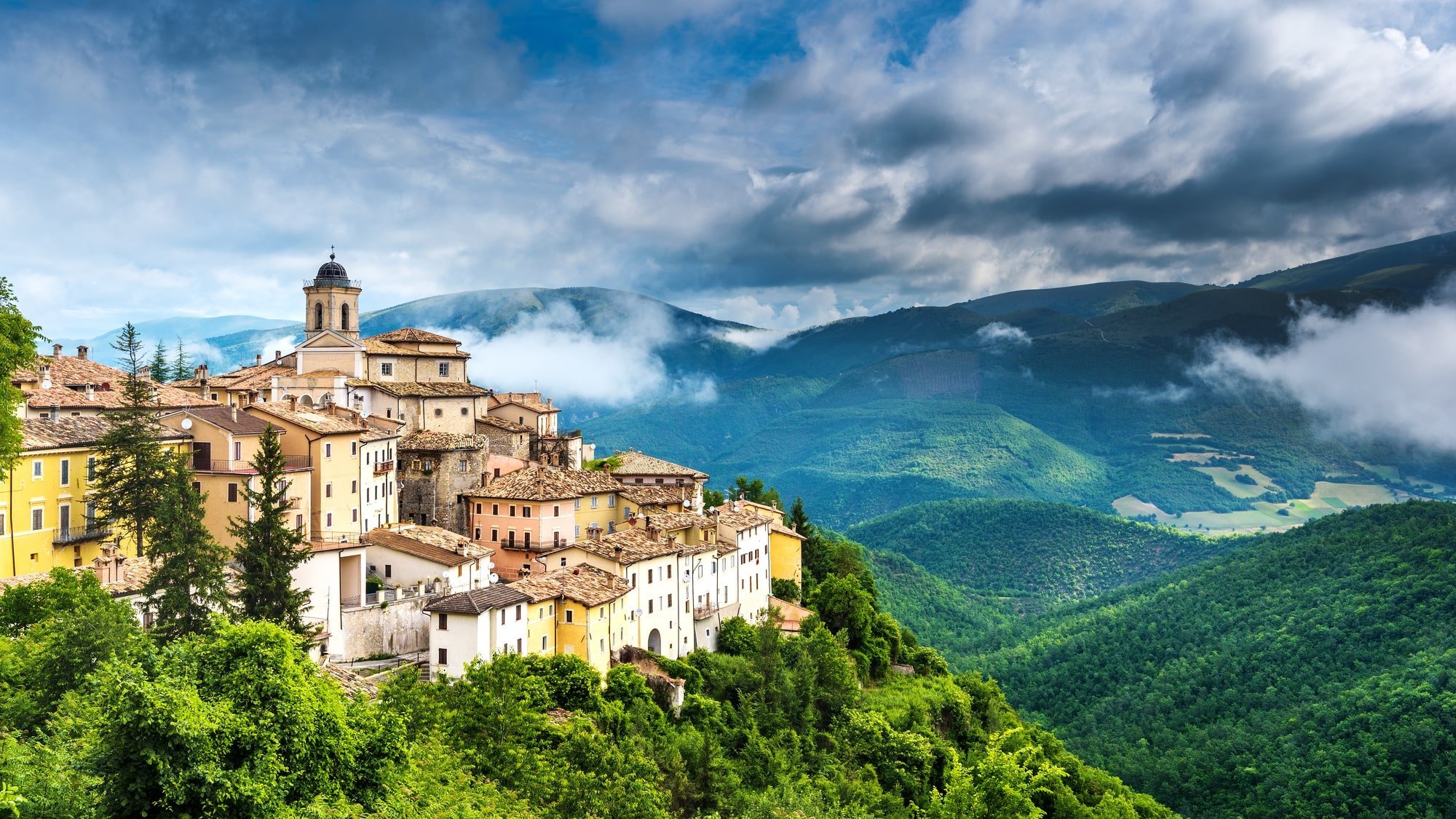
Umbria is one of the most popular places in Italy for international buyers: green hills, olive groves, medieval towns and Lake Trasimeno, with Rome and Florence both within easy reach. It is also one of the most affordable parts of central Italy. This guide looks at what is actually for sale in Umbria on Realpoint, what different budgets buy, and what to check before you sign anything.
For an introduction to the region itself, its towns and transport links, see our Umbria property page.
What’s on the market in Umbria
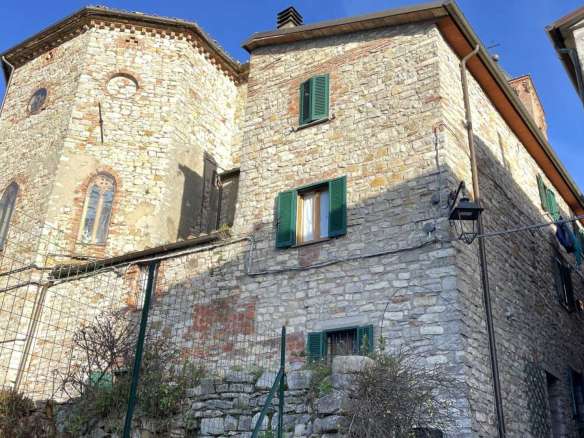
- Houses make up the large majority: village houses, stone country homes and family houses.
- Farmhouses (casali), villas, country estates and apartments make up the rest. Apartments are relatively few, mostly in Perugia, Orvieto and the historic towns.
- Fireplaces, terraces and gardens are the most common features. Roughly one home in five has a swimming pool, and many country homes come with an olive grove.
- The typical home has three bedrooms.
Umbria is one of the best regions in Italy for buyers who want a renovation project: homes needing restoration are a large share of the market. But there are also plenty of finished homes that are restored or need no work at all.
What does a home in Umbria cost?
Asking prices run from a few thousand euros for a small village house in need of work to several million for a historic estate. In practice:
- Most homes are listed between about €80,000 and €450,000.
- Around a third are under €100,000, mostly village and country houses that need some work.
- At the top end, restored farmhouses and villas with pools and land often pass €1 million.
Village and country houses are usually the least expensive option. Restored farmhouses and villas cost the most, because most come with land, a pool and the work already done. Unrestored casali sell for a fraction of that.
What your budget buys
- Under €80,000: village houses and small rural homes, usually needing work. A good entry point if you are happy to renovate. See Umbria homes under €80,000.
- €80,000–€200,000: habitable village and country houses, some with gardens and views, and apartments in historic towns.
- €200,000–€450,000: restored stone houses, smaller farmhouses and homes with land, some with pools.
- €450,000 and above: restored farmhouses and villas with pools and olive groves, especially around Lake Trasimeno and Città della Pieve. See Umbria homes with a pool.
Where the homes are
Umbria has two provinces: Perugia in the north and centre, which has the most listings, and Terni in the south. On Realpoint, homes cluster in the west of the region, between Lake Trasimeno and Orvieto:
- Castiglione del Lago: the largest town on Lake Trasimeno, and the busiest single market on Realpoint in Umbria, with lake-view homes, village houses and country properties.
- Città della Pieve and Panicale: hill towns south of the lake, popular for restored farmhouses.
- Around Orvieto: Ficulle, Fabro and Monteleone d’Orvieto, close to the A1 motorway and the Rome–Florence railway.
- In the south: Amelia and Lugnano in Teverina, within easy reach of Rome.
There are fewer listings in the east (Assisi, Spoleto, the Valnerina). If you are set on that area, save a search and check back regularly.
Five things to check before buying in Umbria
1. Earthquake history and structural condition
Parts of Umbria, especially the east around Norcia and the Valnerina, lie in a seismic zone and were affected by the 2016 earthquakes. For any older stone building, ask for its repair history and any earthquake-damage paperwork, and have a geometra or structural engineer inspect it. Work done to make a building safer may qualify for tax incentives; ask your professional which apply when you buy.
2. Is everything on the plans?
Extensions, converted barns and porches are often built without being recorded. Before the preliminary contract, your geometra should confirm that the building matches the land-registry plans (conformità catastale e urbanistica). Converting barns or outbuildings into living or guest space needs planning permission. Never assume it from the sales description.
3. Water, drains and access
Many country homes are not on mains water or sewers. Check whether water comes from the mains or a well (and whether the well is registered), how waste water is handled (septic tank), and who maintains the access road. Many Umbrian homes are reached by strade bianche, gravel roads that can be hard going in winter.
4. Land and olive groves
An olive grove is a lovely asset but also ongoing work: pruning, harvesting and pressing. Ask how the land is currently managed, whether a neighbour farms it, and what it costs to keep up. Land classified as agricultural has its own rules for building and use.
5. If you plan to rent it out
Holiday-rental demand in Umbria varies a lot by location. A farmhouse with a pool near Lake Trasimeno or a well-known town is very different from a remote house without a pool. Short-term lets in Italy must be registered and carry a national identification code (CIN). Include management, cleaning, pool upkeep and taxes in any forecast.
Buying costs in brief
On top of the price, allow roughly 7–15% for taxes and fees, depending on the property and your situation:
- Registration tax when buying from a private seller: 9% of the property’s cadastral (land-registry) value for a second home, or 2% if it will be your main home in Italy, plus small fixed taxes. From a builder, VAT applies instead.
- Notary: required by law for every purchase.
- Estate agent: in Italy both buyer and seller usually pay the agent. Agree the percentage in writing at the start.
- Your own surveyor and lawyer: strongly recommended, especially for older rural homes.
You will also need an Italian tax code: see our guide to getting your codice fiscale. Our article on the 7 most common mistakes foreign buyers make is worth reading before you make an offer.
This is general information, not legal or tax advice. Always confirm costs and rules with a notary, geometra or commercialista for your own purchase.
Frequently asked questions
Is Umbria cheaper than Tuscany?
Generally, yes. Typical asking prices on Realpoint are far lower in Umbria than in Tuscany, although Tuscany also has many more luxury properties listed.
Can I find a house in Umbria for under €100,000?
Yes. Around a third of the Umbrian homes on Realpoint are under €100,000, mostly village and country houses that need some work.
Where do most international buyers look?
Lake Trasimeno, Città della Pieve and the countryside towards Orvieto are the busiest areas on Realpoint, along with the hill towns around Perugia, Assisi and Todi.
Start your search
Browse all homes for sale in Umbria, or simply describe your ideal home in our AI search, for example “stone farmhouse with a pool near Lake Trasimeno under €400,000”.
Homes for sale in Umbria
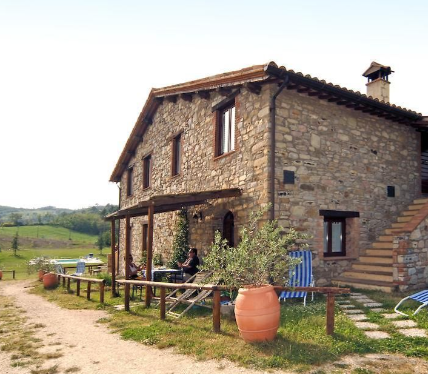
Agriturismo with 4 flats, pool and 45 hectares, San Venanzo – court auction 13 Jan 2027
San Venanzo, Terni, Umbria
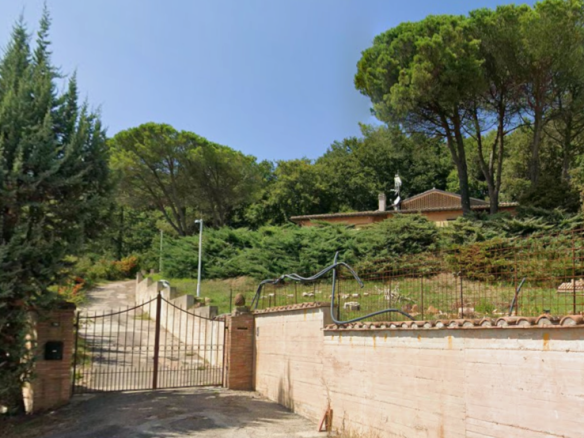
Detached 6-bedroom villa with views, Perugia – court auction 14 Dec 2026
Perugia, Perugia, Umbria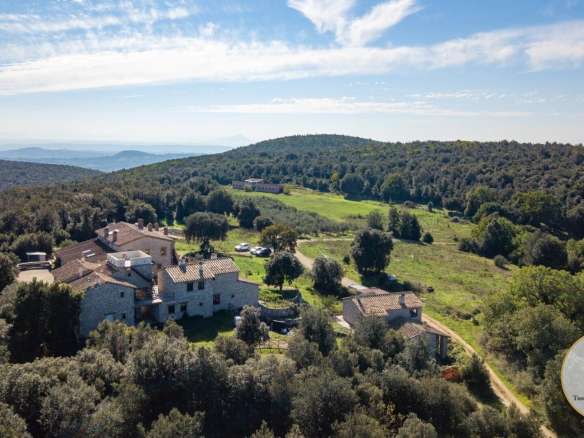

- €63,000


- €548,000
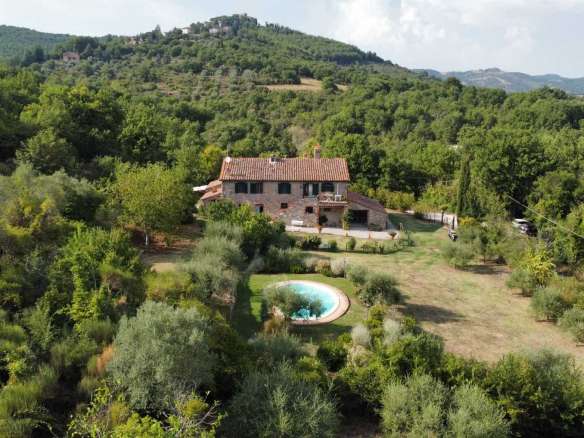

- €315,000
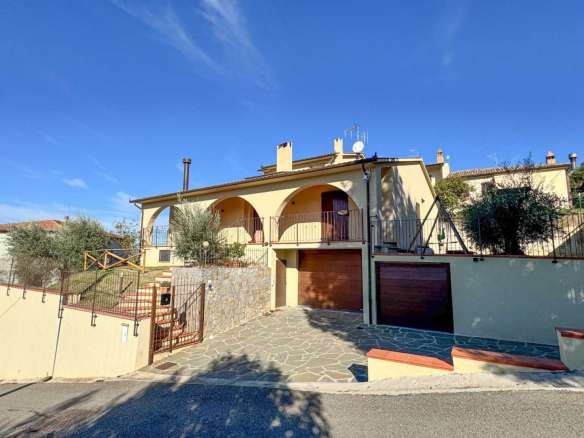
Santa Maria, in hilly location, recently restored independent villa
Monteleone d’Orvieto, Terni, Umbria- €85,000
- €399,000