


 by
Published · 5 min read
Most people who start looking for a home in Italy have a picture in mind: a terrace above the sea, a farmhouse among olive trees, a chalet with snow on the peaks, or an apartment by a lake. Each of these can be a good choice, but they live very differently across the year. This guide compares the four main settings, coast, hills, mountains and lakes, so you can decide where to buy in Italy with the whole year in view, not just the week you visited.
On the coast
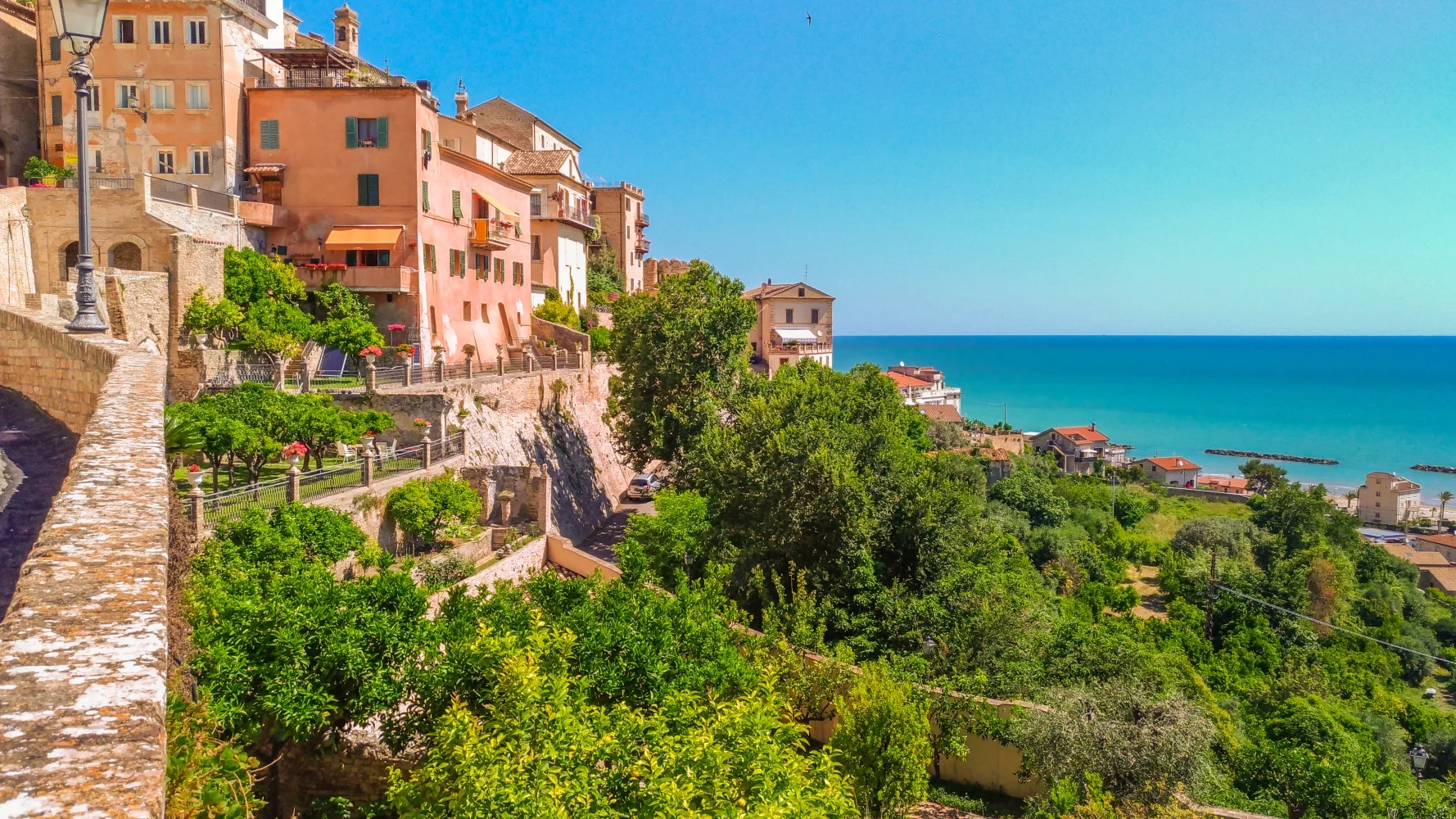
The Italian coast is long and varied, from the steep villages of Liguria to the long beaches and whitewashed towns of Puglia and the coves of Sicily and Sardinia. What many coastal places share is a strong seasonal rhythm.
- Summer is busy and lively. Beaches, restaurants and roads fill up, especially in July and August.
- Winter can be very quiet. In resort towns and beach areas, many hotels, bars and shops close for months, and some streets of holiday apartments are largely shuttered. Larger coastal towns with a year-round population stay much more alive.
- Rental demand is usually strongest in summer, which suits owners who want to let the home for part of the season. Outside the peak, demand is often much lower.
- Upkeep needs more attention than inland. Salt air is hard on metal railings, window frames, shutters and outdoor fittings, and paintwork needs renewing more often. Along steep stretches of coast, plots can be terraced, with retaining walls to maintain and steps rather than a drive to the door.
The coast suits people who love the sea, want summer rental income, or plan to use the home mainly in the warmer months. If you want company in January, look at towns that people live in all year, not just holiday developments. You can browse homes with a sea view across every coastal region.
In the hills and countryside
The rolling hills of central Italy, in Tuscany, Umbria and Marche, are what many buyers imagine first. Hill towns are often a little cooler in summer than the plains and the coast, with breezes in the evening, and the seasons feel more even across the year.
- Through the year, life follows the farming calendar: the grape harvest, the olive harvest, village festivals. Small towns are quieter in winter but usually keep their bar, shop and weekly market, because people live there all year.
- Rental demand tends to run over a longer season than on the coast, from spring to autumn, especially for homes with a pool and good views.
- Upkeep often means land. A country house may come with olive trees, a vineyard, woodland or fields, and all of it needs looking after. Grass and scrub must be cut, both for appearance and to reduce fire risk in dry summers. Many owners pay a local to tend the land or let a neighbour farm it.
- Services in remote spots can be basic: a well instead of mains water, a septic system, slower internet, and a long unmade road to the house.
The countryside suits people who want space, a garden or land, and a home they can use in spring and autumn as well as summer. Our Tuscany buying guide goes into the local detail, and you can search homes with land anywhere in Italy.
In the mountains
Italy’s mountains run from the Alps in the north, through Piemonte, Lombardy and Veneto, down the Apennine spine into Abruzzo and beyond. Mountain homes have two seasons rather than one.
- Winter brings snow, skiing in the resorts, and a busy period around the holidays. It also brings snow on the roads, so ask how the access road is cleared, and whether winter tyres or chains are needed.
- Summer is cool and green, with walking, cycling and escape from the heat of the cities. Spring and late autumn can be very quiet, and some resort businesses close between seasons.
- Upkeep includes heating, which is a real running cost at altitude, roofs that carry snow loads, and protecting pipes from frost when the house is empty.
Mountain homes suit skiers, walkers and people who prefer cool summers. In regions such as Abruzzo, the mountains and the sea are close together, so you can have some of both.
By the lakes
The northern lakes, such as Como, Garda and Maggiore, sit between the Alps and the plains. The climate is often milder than you might expect so far north.
- Through the year, the lakes are busiest from spring to early autumn. In winter the ferries and some hotels run a reduced service, but the larger towns stay lived in.
- Rental demand is often strong in the season.
- Upkeep can include damp near the water, steep plots on the hillsides above the shore, and limited parking in old lakeside villages.
The lakes suit people who want scenery and water without a beach-resort feel, and who value being within reach of the northern cities. Browse homes near the Italian lakes.
Getting there
Whatever the setting, think about the journey before you fall for a house. Coastal and lake towns are often on a railway line, while hill and mountain homes usually need a car for the last part of the trip. Some flights to regional airports run only in summer, so a home that is easy to reach in July may take longer to reach in February. Drive the route yourself, ideally out of season.
Questions to ask yourself
- When will you use the home? Summer only, several times a year, or for long stays? A place that is quiet in winter matters less if you will not be there.
- Do you want to let it? If so, think about how long the local season is and who rents there.
- How much upkeep do you want? An apartment by the sea or a lake asks less of you than a farmhouse with land.
- Who will look after it while you are away? Ask what local caretaking and maintenance help is available.
The best way to decide is to visit the same place in two different seasons. If you are still weighing up options, describe what you want in our AI property search, for example “house in the hills within reach of the sea” or “apartment with a lake view”, and compare what comes back. For more on each area, explore the regions on Discover Italy.


