







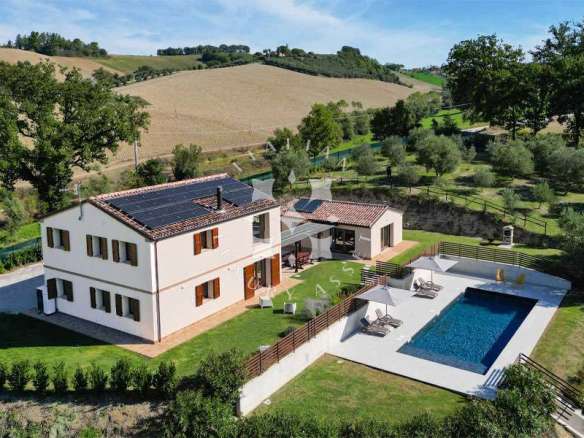


Understanding Country Estates in Italy
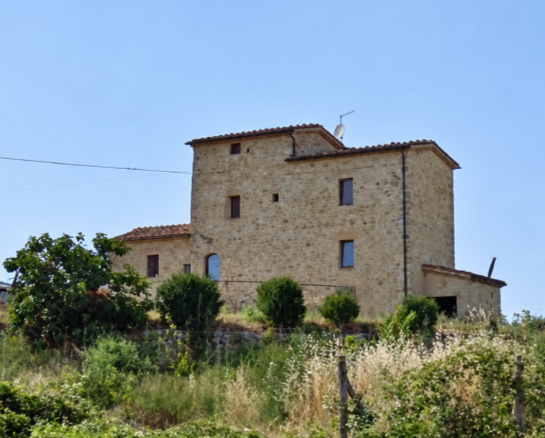
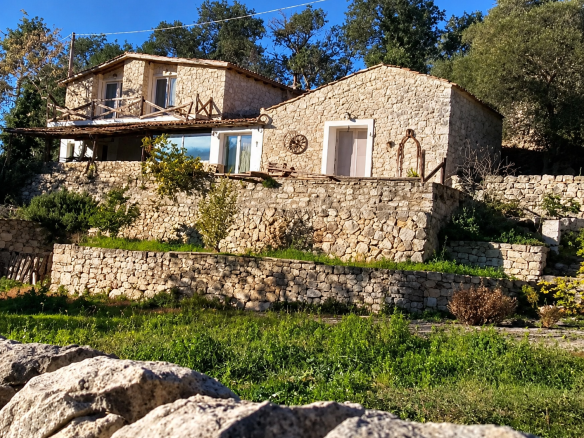
Country estates for sale in Italy combine a principal residence with land, gardens and, in many cases, additional buildings. They range from elegant historic villas surrounded by formal grounds to working agricultural estates with vineyards, olive groves, woodland and restored farmhouses.
An Italian country estate can serve as a private family home, rural retreat, agricultural property or hospitality business. The buildings, land and legal permissions included vary considerably, so buyers should establish exactly what forms part of the estate and how each element may be used.
Typical Features of an Italian Country Estate
A country estate is usually more extensive than a standalone farmhouse or villa. It may contain several residential and agricultural buildings distributed across a substantial area of land.
Common features include:
- A principal villa, manor house or traditional farmhouse
- Guest houses, cottages or independent apartments
- Caretaker or staff accommodation
- Barns, stables, cellars and storage buildings
- Vineyards, olive groves, orchards or arable land
- Woodland, grazing land and landscaped gardens
- Swimming pools, tennis courts and outdoor entertaining areas
- Private chapels, courtyards and formal gardens
- Wells, springs, irrigation systems and agricultural reservoirs
- Private roads, gates and extensive parking areas
Some estates are sold fully restored and ready for occupation, while others require work to the principal residence, secondary buildings or agricultural infrastructure. Furniture, machinery, wine-making equipment and farming rights may be negotiated separately.
Where to Find Country Estates in Italy
Tuscany is particularly associated with country estates surrounded by vineyards, olive groves and cypress-lined roads. The countryside around Siena, Florence, Arezzo, Lucca and the Maremma includes historic villas, restored farmhouses and substantial agricultural properties.
Umbria offers stone estates among wooded hills, olive groves and medieval villages. Buyers can find private country homes and larger properties suitable for hospitality or agricultural use, particularly around Perugia, Lake Trasimeno, Orvieto and Todi.
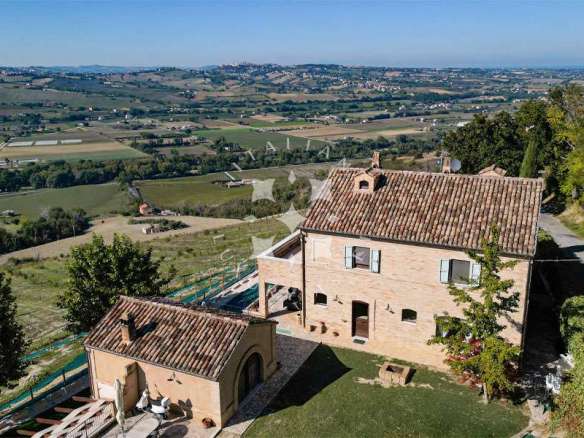
Le Marche and Abruzzo provide rural estates within reach of both the Apennine Mountains and the Adriatic coast. Properties can include traditional farmhouses, productive land and panoramic views across rolling countryside.
In Piemonte, country estates are often associated with vineyards and the celebrated wine-producing landscapes of Langhe, Roero and Monferrato. Emilia-Romagna combines productive agricultural land with access to historic cities and established food and wine traditions.
Southern regions such as Puglia and Sicily offer masserie, bagli and other traditional estates surrounded by olive trees, vineyards and orchards. These properties may combine distinctive regional architecture with easy access to coastal areas.
Country Estate Lifestyle
A country estate can provide privacy, space and a close connection with the surrounding landscape. Large gardens, guest accommodation and recreational facilities make these properties suitable for family gatherings, entertaining and extended stays.
Estate ownership also involves practical responsibilities. Gardens, private roads, woodland, swimming pools and agricultural land require regular management. Depending on the property’s size, owners may need a gardener, caretaker, agricultural contractor or professional estate manager.
Distance from shops, healthcare, schools and public transport should also be considered. A peaceful rural position may offer outstanding views but involve longer journeys and greater reliance on a car. Buyers planning to use the property throughout the year should examine road conditions, winter access and the availability of local services.
Agricultural Land and Production
Many Italian country estates contain productive land, although the agricultural activity may be managed directly, leased to a local farmer or maintained by specialist contractors.
Vineyards and olive groves require ongoing care, seasonal labour and specialist equipment. Buyers should investigate the age, condition and productivity of the plants rather than assuming that the land will generate immediate income.
Important matters to examine include:
- Classification and permitted use of the land
- Exact boundaries and cadastral parcels
- Existing agricultural leases or occupancy rights
- Vineyard planting and production rights
- Olive, fruit or woodland management requirements
- Access for agricultural machinery
- Irrigation systems and water availability
- Wells, springs and registered water rights
- Farm equipment included in the sale
- Existing supply or production agreements
Agricultural land can also affect taxes, purchase rights and the structure of the transaction. Advice from a notary, commercialista and agricultural specialist may therefore be required.
Buying a Country Estate in Italy
Due diligence should cover every building and parcel of land forming part of the estate. Large rural properties can have complex planning histories, separate registrations and rights benefiting neighbouring owners.
Professional checks should include:
- Legal ownership and estate boundaries
- Planning and cadastral compliance
- Rights of way and shared access roads
- Authorised use of all buildings
- Condition of roofs, walls and foundations
- Water, electricity, heating and wastewater systems
- Private roads, bridges and retaining walls
- Heritage and landscape restrictions
- Agricultural leases, tenancies and other third-party rights
- Condition of gardens, woodland and swimming pools
It is particularly important to confirm whether barns, stables and other outbuildings can legally be converted into residential or guest accommodation. Their physical suitability does not automatically mean that planning permission will be granted.
Renovating an Italian Country Estate
Restoring a country estate can involve several separate projects. The principal residence may require structural work and modern services, while guest houses, farm buildings and external areas need their own surveys and budgets.
Older estates can have outdated electrical systems, private water supplies, septic tanks or inadequate heating. Work may also be required to roofs, drainage, access roads, boundary walls and swimming pools.
Properties within protected landscapes or containing historic buildings may be subject to restrictions governing materials, extensions, windows, roofs and external alterations. Buyers should consult an architect, engineer or geometra experienced in rural and historic properties before committing to a renovation.
Hospitality, Events and Rental Potential
Country estates may offer space for holiday accommodation, retreats, weddings or other events. However, ownership of a large house and grounds does not automatically provide permission to operate a hospitality or event business.
Buyers considering commercial use should investigate:
- Planning permission and authorised building use
- Accommodation and hospitality registrations
- Fire safety and accessibility requirements
- Catering and commercial-kitchen permissions
- Event capacity, parking and emergency access
- Noise restrictions and relationships with neighbouring properties
- Swimming-pool and guest-safety requirements
- Existing business accounts, reservations and staff obligations
Projected income should be assessed against seasonality, staffing, utilities, maintenance and marketing costs. An established business should be evaluated separately from the value of the property and land.
Whether intended as a private residence, agricultural holding or hospitality venture, a country estate in Italy offers space, architectural character and a distinctive rural lifestyle. Careful examination of the buildings, land, services and legal permissions is essential when choosing an estate that matches both the buyer’s ambitions and the practical demands of long-term ownership.