


Understanding Mulini in Italy
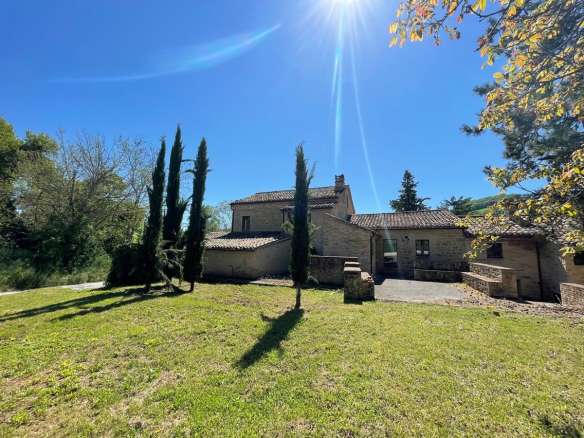
A mulino is a traditional Italian mill, most commonly a watermill originally used to grind grain, press olives or power other forms of rural production. The plural is mulini. These unusual properties often combine historic stone architecture with riverside, woodland or valley settings.
Some mulini have already been converted into private residences, while others retain their original mill rooms, water channels and machinery. They can offer distinctive restoration opportunities, but their relationship with a river or stream creates additional legal, structural and environmental considerations.
Typical Features of an Italian Mulino
The design of a mulino depended on its original purpose, the surrounding terrain and the available water supply. A property may consist of a single compact building or a group of residential and agricultural structures.
Common features include:
- A stone mill building
- Former milling or production rooms
- Original millstones and machinery
- Water wheels or turbines
- Mill races, channels and sluice gates
- Bridges, weirs or small dams
- A miller’s house or residential accommodation
- Barns, workshops and storage buildings
- Riverside gardens, woodland or agricultural land
- Natural pools, waterfalls or springs
- Private tracks and historic access routes
Not every property marketed as a mulino retains a functioning water system. The original channel may have been diverted, blocked or abandoned, and the watercourse can be seasonal rather than continuous.
Where to Find Mulini in Italy
Historic mills can be found throughout Italy, particularly in regions containing rivers, streams, wooded valleys and long-established agricultural communities.
Tuscany offers stone mulini in the hills and valleys surrounding Florence, Arezzo, Siena, Lucca and the Maremma. Some have been restored as country residences, while others remain substantial renovation projects.
Umbria has former mills beside rivers and streams flowing through wooded countryside and medieval villages. These properties can include extensive land and historic water-management structures.
Le Marche and Abruzzo offer traditional rural mills between the Apennines and the Adriatic coast. Mountain streams and agricultural valleys supported many small local milling operations.
In northern Italy, mulini can also be found in Piemonte, Lombardy and Emilia-Romagna. Their architecture ranges from Alpine stone buildings to larger mills serving productive farming areas.
Living in a Converted Mulino
A restored mulino can provide a private home with exceptional character. Stone walls, timber beams, vaulted rooms and original machinery can create interiors unlike those of a conventional farmhouse.
Riverside settings may offer mature trees, wildlife and the sound of moving water. However, buyers should visit at different times of year where possible. A peaceful summer stream may carry significantly more water after heavy rain, while a channel that appears active during winter may become dry during warmer months.
The rural position of many mills can mean narrow access roads, limited parking and greater distance from shops or public services. Mobile coverage, internet access and winter road conditions should also be checked.
Buying a Mulino in Italy
Purchasing a former mill requires all the usual property checks together with specialist investigation of the watercourse and historic mill infrastructure.
Professional due diligence should cover:
- Legal ownership and cadastral boundaries
- Planning and cadastral compliance
- Authorised use of each building
- Rights of way and road access
- Ownership of riverbanks and mill channels
- Registered water and extraction rights
- Responsibility for weirs, sluices and bridges
- Flood, erosion and landslide risk
- Condition of walls, roofs and foundations
- Water, electricity and wastewater systems
- Heritage and landscape restrictions
- Insurance availability and likely costs
Owning land beside a river does not necessarily provide unrestricted rights to divert, extract or use its water. Existing arrangements should be confirmed through the appropriate legal and technical investigations.
Flooding, Drainage and Structural Condition
The position that once allowed a mill to operate can also expose it to flooding, erosion and persistent moisture. A specialist survey should examine the property and surrounding terrain rather than focusing only on the visible building.
Important areas to inspect include:
- Historic and current flood levels
- Riverbank stability
- Foundations beside the watercourse
- Retaining walls and bridges
- Roof and surface-water drainage
- Damp penetration and ventilation
- Condition of mill races and underground channels
- Blocked culverts and sluice gates
- Access during periods of heavy rain
- Safety around fast-moving or deep water
Repairs affecting a riverbank, water channel, bridge or retaining wall may require specialist approval. Responsibility for maintaining these structures should be established before purchase.
Restoring a Historic Mill
An unrestored mulino may contain impressive stone rooms and original mechanical features, but conversion into a comfortable home can be complex.
Former milling areas may not currently be authorised for residential use. Their conversion can require planning approval, structural work, new floors and significant improvements to natural light, ventilation and access.
Renovation may involve:
- Structural strengthening
- Roof replacement and waterproofing
- Damp control and drainage
- Restoration of stone walls and timber structures
- New electrical and plumbing systems
- Heating, insulation and hot water
- Wastewater treatment
- Repair of channels, bridges and retaining walls
- Conservation of millstones and machinery
- Improved vehicle and emergency access
Where the mill has architectural or historical protection, original machinery and water-management features may need to be preserved. An architect, engineer or geometra experienced in historic and waterside buildings should assess the project before purchase.
Water Power and Energy Generation
A former watermill may appear to offer potential for generating hydroelectric power, but the presence of a wheel, turbine or flowing stream does not guarantee that electricity generation is technically or legally possible.
A specialist feasibility study would need to consider:
- Legal water-use rights
- Available water flow throughout the year
- Height difference and generating capacity
- Condition of channels and machinery
- Environmental restrictions
- Required permissions and grid connections
- Installation and long-term maintenance costs
Any potential income or energy saving should be treated as unconfirmed until the necessary technical studies and approvals have been completed.
Mulini as Holiday Homes or Retreats
The architecture and natural surroundings of a restored mulino can suit a holiday home, artist’s studio, wellness retreat or small hospitality property. Nevertheless, commercial use depends on the building’s authorised purpose and the licences required by the relevant region and municipality.
Buyers considering guest accommodation should examine access, parking, fire safety, wastewater capacity and the safety of rivers, channels and bridges. The practical cost of managing a remote waterside property should also be included in the business plan.
Whether intended as a private home, restoration project or rural retreat, a mulino offers a rare connection with Italy’s agricultural and industrial heritage. Careful investigation of the building, watercourse, access and legal rights is essential when considering one of these distinctive properties.