






Understanding Trulli in Puglia
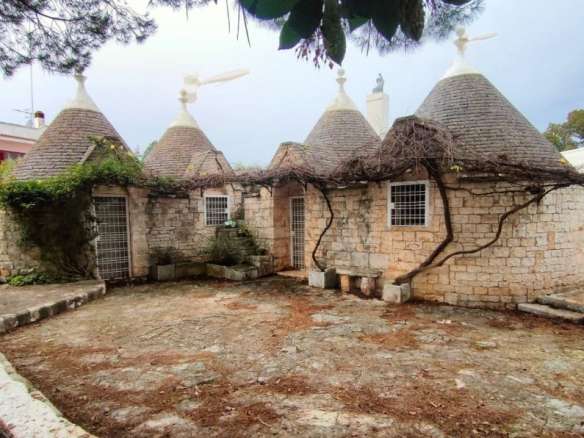
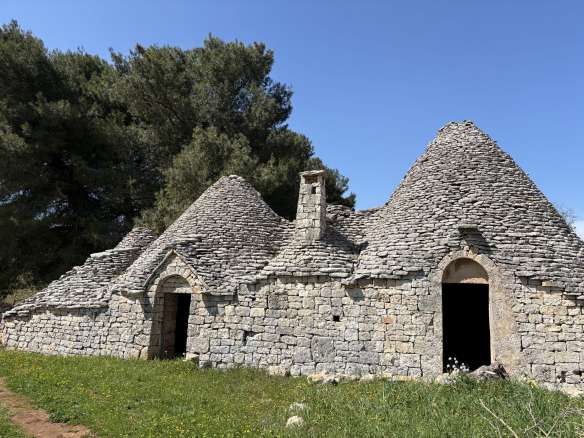
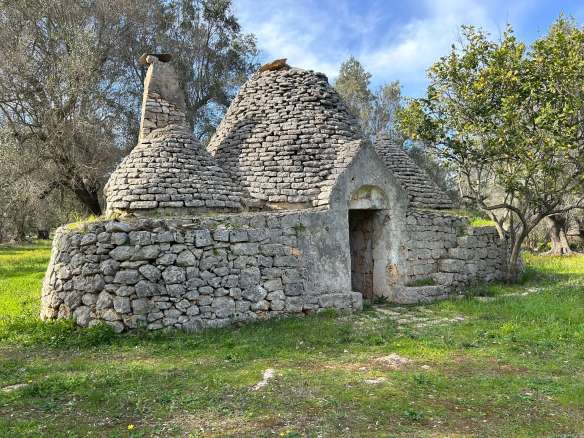
A trullo is a traditional dry-stone building distinguished by its conical roof. The plural is trulli. These remarkable properties are closely associated with Puglia, particularly the Valle d’Itria and the countryside around Alberobello, Locorotondo, Martina Franca, Cisternino, Ceglie Messapica and Ostuni.
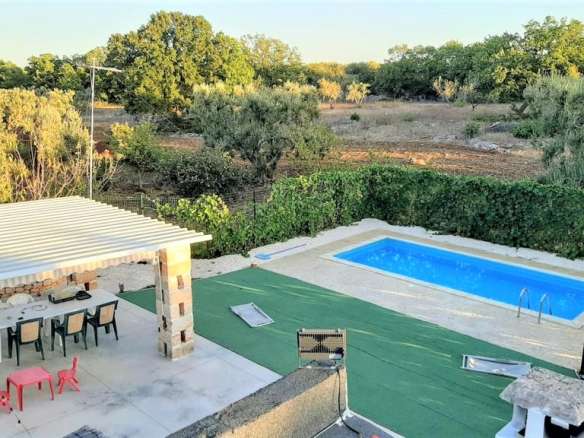
Originally constructed as rural homes, animal shelters and agricultural storage buildings, trulli have become one of southern Italy’s most recognisable forms of architecture. Properties for sale range from compact single-cone structures requiring restoration to complete groups of trulli converted into comfortable homes with gardens, swimming pools and olive groves.
Traditional Trullo Architecture
Trulli were traditionally built from local limestone using dry-stone construction methods. Their thick walls and distinctive conical roofs helped create durable buildings suited to Puglia’s climate.
A traditional trullo property may include:
- One or more interconnected cones
- Thick limestone walls
- Conical roofs finished with stone tiles
- Decorative pinnacles and painted roof symbols
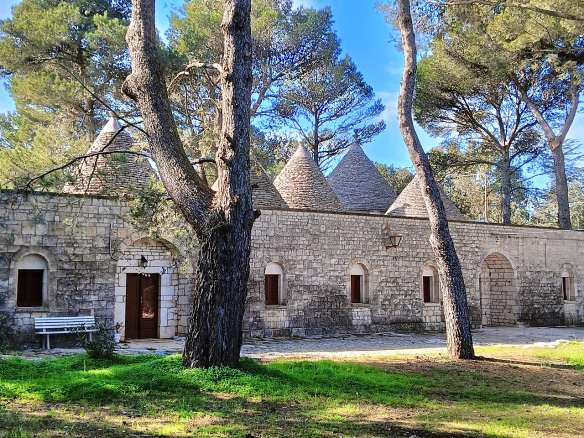
- Arched doorways and alcoves
- Original stone floors and fireplaces
- Underground or external water cisterns
- Agricultural storage rooms
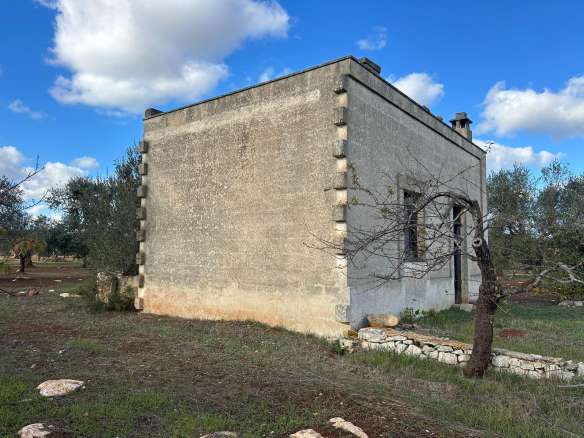
- A lamia with a barrel or star-vaulted roof
- Courtyards, terraces and external kitchens
- Olive groves, orchards or agricultural land
- Later residential extensions
Each cone generally forms a separate room or part of a room. A larger trullo house may consist of several interconnected cones combined with a rectangular lamia or more recent extension.
Where to Find Trulli
The greatest concentration of trulli is found within the Valle d’Itria, an area extending across parts of the provinces of Bari, Brindisi and Taranto.
Alberobello in the Province of Bari is internationally known for its neighbourhoods of closely grouped trulli. Properties in and around the town can include village homes, holiday accommodation and rural complexes surrounded by land.
The Province of Brindisi includes Ostuni, Ceglie Messapica and extensive countryside containing restored and unrestored trulli. These areas provide relatively convenient access to both the Adriatic coast and Brindisi Airport.
The Province of Taranto includes Martina Franca and the southern part of the Valle d’Itria, where trulli are found among vineyards, olive groves and rural lanes.
Trulli can also be found elsewhere in central Puglia, although their numbers and architectural forms vary. Buyers seeking this property type should focus particularly on the countryside between Bari, Brindisi and Taranto.
Living in a Trullo
A restored trullo offers a highly distinctive form of Italian country living. Thick walls and compact rooms create characterful interiors, while gardens, terraces and olive groves provide space for outdoor living.
The original buildings were not designed around modern expectations, so buyers should consider room sizes, ceiling heights, natural light and circulation between cones. A property with several trulli can still have a relatively modest amount of usable internal floor space.
Many comfortable trullo homes combine the historic cones with a lamia or sympathetic extension containing the kitchen, bathrooms and larger living areas. Heating, cooling and ventilation should be assessed carefully if the property will be occupied throughout the year.
Rural trulli are often reached by narrow country roads and may be some distance from shops and public transport. A car is usually essential, while internet connectivity and mobile coverage should be checked.
Buying a Trullo in Puglia
A trullo should be treated as a historic building rather than a simple countryside house. Its planning history, condition and authorised use require detailed investigation.
Professional checks should cover:
- Legal ownership and cadastral registration
- Planning compliance of every cone and extension
- Authorised residential use
- Registered internal floor area
- Ownership and boundaries of the surrounding land
- Road access and rights of way
- Condition of roofs and stone walls
- Water supply and cisterns
- Electricity and heating systems
- Wastewater and septic arrangements
- Legality of swimming pools and external structures
- Landscape and heritage restrictions
Some properties contain unregistered additions, converted agricultural rooms or external structures built without the appropriate permission. A geometra, architect or engineer should compare the entire property with its planning and cadastral records.
The presence of a trullo on agricultural land does not automatically provide permission to restore, extend or use it as a residence.
Restoring a Trullo
Restoration should preserve the traditional construction and appearance of the building. Specialist craftspeople are often required to rebuild the conical roof, repair dry-stone walls and restore original features.
Work may involve:
- Rebuilding or repairing the conical roof
- Repointing and stabilising stone walls
- Improving drainage and moisture protection
- Restoring floors, fireplaces and alcoves
- Installing electrical and plumbing systems
- Creating bathrooms and kitchens
- Improving heating and ventilation
- Restoring or replacing water cisterns
- Upgrading wastewater systems
- Repairing terraces and boundary walls
The cost of restoring a trullo depends on the number and condition of its cones, access to the site and the level of modern accommodation required. A visually attractive structure can still need major work to become legally habitable and comfortable.
Extensions, new windows, pergolas and swimming pools may be restricted by local planning and landscape protections. Buyers should confirm what can be approved before relying on additional building potential.
Land, Water and Utilities
Rural trulli are commonly sold with olive groves, fruit trees or open agricultural land. Buyers should verify the precise boundaries, condition of the trees and responsibility for maintaining the land.
Many traditional properties collect rainwater in underground cisterns. The capacity, condition and permitted use of these systems should be checked. Buyers should also establish whether mains water is available and how wastewater is managed.
Other practical considerations include electricity capacity, heating fuel, access for maintenance vehicles and the cost of caring for olive trees, gardens and swimming pools.
Trulli as Holiday Homes or Rental Properties
Trulli are popular with visitors seeking accommodation that reflects the architecture and character of Puglia. A restored property with attractive outdoor space, a swimming pool and access to nearby towns or the coast may suit use as a holiday home or guest property.
However, rental performance should not be assumed. Buyers should consider seasonality, local competition, management expenses and the cost of maintaining the buildings, grounds and pool.
Anyone intending to offer short-term accommodation should confirm the current registration, safety and reporting requirements. Every room used by guests must also have the correct authorised use.
Whether purchased as a private retreat, permanent home or restoration project, a trullo offers a distinctive connection with Puglia’s rural heritage. Careful technical checks and sensitive restoration are essential to preserve its character while creating a practical and legally compliant property.