



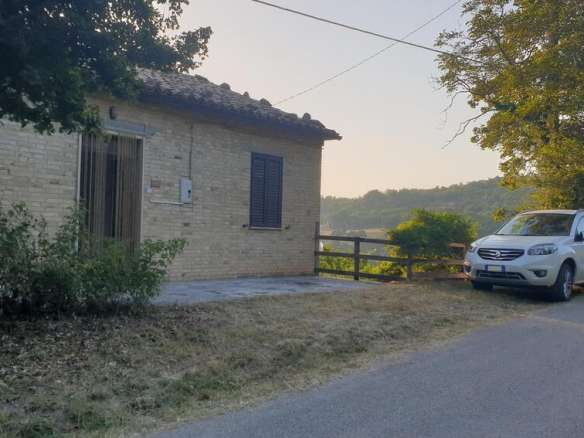


Learn More About the Province of Ascoli Piceno, Le Marche
The Province of Ascoli Piceno occupies the southern end of Le Marche in central Italy. It extends from the Adriatic coast through the Tronto Valley and rolling agricultural hills to the Sibillini Mountains and the border with Abruzzo, Umbria and Lazio.
The province combines the historic city of Ascoli Piceno with the seaside towns of San Benedetto del Tronto, Grottammare and Cupra Marittima. Inland, vineyards, medieval villages and mountain communities offer traditional houses, farmhouses and renovation projects in a quieter setting.
Principal Towns and Property Areas
Ascoli Piceno is the provincial capital and principal cultural centre. Its historic centre is known for travertine architecture, medieval towers and Piazza del Popolo. Property includes city apartments, palazzi, townhouses and larger historic buildings, with villas and family homes available in surrounding residential areas.
San Benedetto del Tronto is the province’s largest coastal centre and an important fishing port and seaside resort. Its property market includes seafront apartments, modern residences, family homes, villas and properties close to the marina.
Grottammare combines a lively coastal town with a historic upper village overlooking the Adriatic. Buyers can find beach apartments, period townhouses, detached homes and villas on the surrounding slopes.
Cupra Marittima offers a smaller coastal setting with apartments, townhouses and sea-view properties. Its railway station and position on the Adriatic road corridor provide practical connections along the coast.
Offida is a historic hill town surrounded by vineyards and agricultural countryside. It offers village houses, apartments, palazzi, farmhouses and rural estates.
Ripatransone and Acquaviva Picena provide elevated positions between the coast and inland hills. Their property markets include historic-centre homes, villas, farmhouses and houses with views towards the Adriatic.
Monteprandone and Castel di Lama are well placed for access to San Benedetto del Tronto and Ascoli Piceno. They offer modern family homes, apartments and rural properties within commuting distance of both centres.
Acquasanta Terme lies along the Via Salaria towards the mountains, while Arquata del Tronto occupies the province’s far western territory. These areas offer mountain scenery and traditional buildings, but buyers must pay particular attention to earthquake damage, reconstruction status and access.
Property Types in Ascoli Piceno
The province offers a varied combination of city, coastal, rural and mountain property, including:
- Apartments in Ascoli Piceno and San Benedetto del Tronto
- Seafront and beachside apartments
- Historic-centre townhouses
- Travertine buildings and period palazzi
- Villas with sea or countryside views
- Detached family houses
- Traditional brick and stone farmhouses
- Country homes with vineyards or olive groves
- Agriturismo and hospitality properties
- Village houses requiring renovation
- Agricultural land and rural outbuildings
- Mountain homes and reconstruction properties
Homes near the Adriatic often focus on terraces, balconies and practical access to beaches. Inland properties are more likely to include land, barns, olive trees and extensive views across the hills.
Landscape and Lifestyle
The province changes considerably from east to west. San Benedetto del Tronto, Grottammare and Cupra Marittima form part of the Riviera delle Palme, known for beaches, promenades, cycle routes and a strong summer visitor economy.
The hills between the coast and Ascoli Piceno contain vineyards, olive groves and historic villages. Wine production includes Rosso Piceno and Offida wines, while local food traditions combine seafood from the Adriatic with inland agricultural produce.
Ascoli Piceno provides year-round shops, schools, healthcare and cultural events. Its historic centre supports an urban lifestyle on a smaller scale than Italy’s major cities.
Further west, the landscape becomes mountainous around Acquasanta Terme and Arquata del Tronto. These areas provide access to the Sibillini Mountains and the wider central Apennines, but services are more dispersed and winter conditions require consideration.
Coastal towns remain active throughout the year, although tourism and property use increase substantially during summer. Smaller hill and mountain villages offer greater tranquillity but usually require regular use of a car.
Airports and Transport
The province has no commercial airport. Ancona International Airport and Abruzzo Airport at Pescara are the most practical choices, depending on the property’s position and available routes. Rome’s airports provide additional international connections but involve a longer journey through the Apennines.
San Benedetto del Tronto is on the main Adriatic railway, with regional and long-distance services towards Ancona, Bologna and northern Italy, and towards Pescara, Bari and southern destinations.
A regional railway links San Benedetto del Tronto with Ascoli Piceno through the Tronto Valley. Stops serve communities including Porto d’Ascoli, Monteprandone and the Castel di Lama area.
Important road connections include:
- The A14 motorway along the Adriatic coast
- The Ascoli-Mare road linking San Benedetto del Tronto with Ascoli Piceno
- The SS4 Via Salaria continuing west from Ascoli towards Rieti and Rome
- Provincial roads connecting hill towns and mountain villages
Public transport becomes more limited in the western and rural areas, making a car particularly useful.
Buying Property in Ascoli Piceno
Every property should be checked for legal ownership, planning compliance and correspondence with its cadastral records. The province’s contrasting landscapes create different considerations for coastal, hill and mountain homes.
Buyers should investigate:
- Planning and cadastral compliance
- Structural condition and seismic resilience
- Ownership of terraces, gardens and parking
- Access roads and rights of way
- Flood risk in valley and coastal locations
- Hillside drainage and landslide exposure
- Coastal salt, wind and moisture
- Water, heating and wastewater systems
- Agricultural land classification
- Legality of pools and outbuildings
- Existing leases or agricultural agreements
- Condominium charges and approved works
Properties on steep hillsides may require investigation of retaining walls, drainage and vehicle access. Coastal apartments should be checked for façade maintenance, lift costs, parking rights and seasonal condominium expenses.
Earthquake and Reconstruction Considerations
The western part of the province was heavily affected by the central Italian earthquakes that began in 2016. Arquata del Tronto and several surrounding communities experienced severe destruction, and reconstruction and land-stabilisation work remains relevant to property decisions.
Anyone considering a property in an affected area should establish:
- Whether the building is legally accessible and habitable
- Its official earthquake-damage classification
- Whether demolition or reconstruction is planned
- Whether public reconstruction funding is attached to the property
- Which owner is entitled to any approved contribution
- Whether works have started or remain at the application stage
- Whether the property is affected by a revised urban plan
- Current utility and road access
- Restrictions on sale or transfer
- The status of neighbouring buildings and infrastructure
A low asking price should not be interpreted as evidence that a damaged building can be restored quickly. Independent legal and technical advice is essential before purchasing within a reconstruction area.
Renovating in the Province of Ascoli Piceno
The province offers historic townhouses, farmhouses and village properties with restoration potential. Older buildings should be examined by a professional familiar with local construction and seismic requirements.
Important areas to inspect include:
- Roofs and timber structures
- Stone, brick and travertine walls
- Foundations and structural movement
- Earthquake strengthening
- Damp, drainage and ventilation
- Electrical and plumbing systems
- Heating and insulation
- Wells and wastewater systems
- Retaining walls and access roads
- Barns and agricultural outbuildings
Historic-centre properties can be subject to restrictions affecting façades, roofs, windows and traditional materials. Narrow streets can also complicate access for scaffolding and building materials.
Rural barns and storage buildings cannot automatically be converted into residential or guest accommodation. Their authorised use and potential for conversion should be confirmed before purchase.
Holiday Homes and Rental Considerations
San Benedetto del Tronto, Grottammare and Cupra Marittima attract summer visitors seeking beaches and coastal amenities. Properties with parking, balconies and straightforward beach access may appeal to seasonal guests.
Ascoli Piceno supports cultural tourism throughout more of the year, while Offida and the surrounding hills attract visitors interested in wine, food and traditional villages.
Rental performance varies significantly between the coast, capital and inland areas. Buyers should include cleaning, management, condominium charges, utilities and maintenance when assessing potential income.
Anyone intending to offer short-term accommodation should check current Italian, Marche regional and municipal registration requirements. Guest rooms and independent units must also have the correct authorised use.
Whether you are searching for a historic apartment in Ascoli Piceno, a home near the Adriatic or a farmhouse among vineyards, the province offers a distinctive combination of coast, countryside and mountains.