






Learn More About the Province of Bologna, Emilia-Romagna
The Province of Bologna, officially the Metropolitan City of Bologna, occupies a central position in the Emilia-Romagna region of northern Italy. Its territory extends from the fertile Po Valley across the Bolognese hills to the Apennine Mountains on the border with Tuscany.
Bologna is the regional capital and one of Italy’s most important centres for education, business, transport and culture. The wider metropolitan area also includes historic towns, established commuter communities, rural estates, spa destinations and mountain villages.
The city is known for its medieval towers, extensive network of porticoes and the University of Bologna. The Porticoes of Bologna form part of a UNESCO World Heritage Site, while the historic centre contains an exceptional concentration of palazzi, churches, covered walkways and traditional apartment buildings.
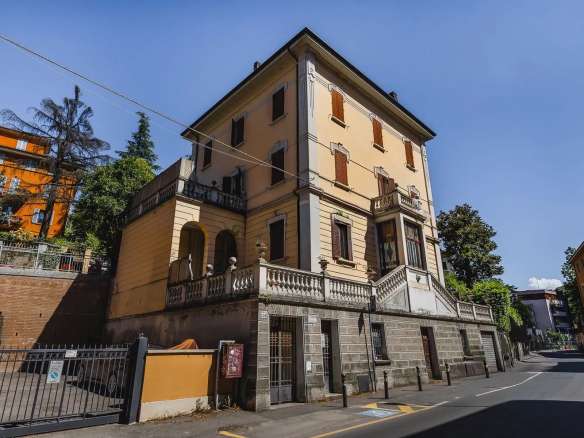
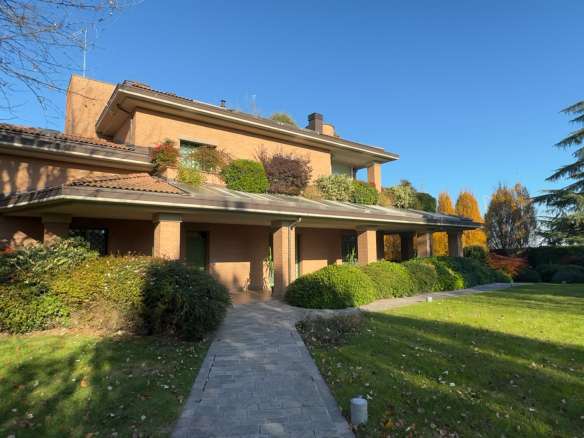
Property in central Bologna includes historic apartments, elegant residences, compact homes suited to city living and larger properties within converted palazzi. Neighbourhoods outside the historic centre provide modern apartments, family houses and villas, often with better access to parking and green space.
Property for Sale in Bologna
The metropolitan property market includes:
- Historic apartments in central Bologna
- Elegant residences in period palazzi
- Modern apartments and penthouses
- Townhouses and family homes
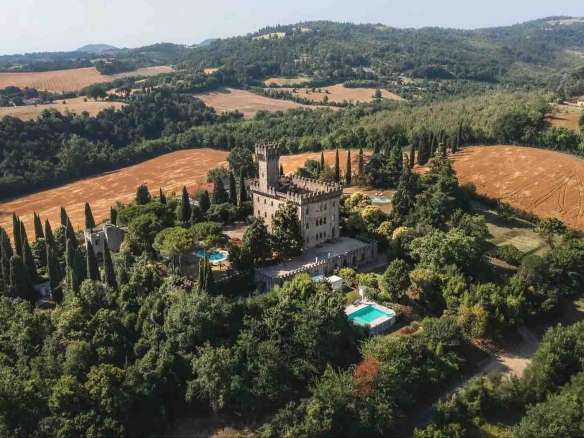
- Villas in the Bolognese hills
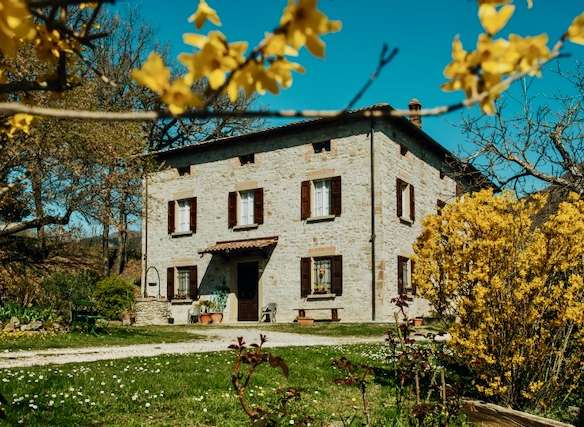
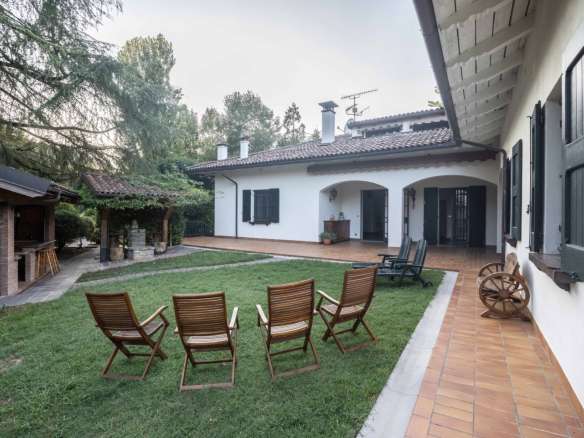
- Farmhouses and rural estates
- Properties with vineyards or agricultural land
- Village houses in the Apennines
- Mountain cottages and holiday homes
- Apartments in established commuter towns
- Historic buildings requiring restoration
- Commercial and hospitality properties
- Former agricultural buildings and barns
- Development land and building plots
Prices vary considerably between central Bologna, its most desirable residential neighbourhoods, suburban municipalities and remote mountain communities. Historic-centre apartments and villas in the hills generally command higher prices, while smaller towns and Apennine villages may provide more space for the purchase price.
Bologna City and Residential Neighbourhoods
Bologna’s historic centre appeals to buyers who want to live within walking distance of the university, cultural attractions, restaurants and railway station. Period properties may retain frescoes, decorative ceilings, terracotta floors and internal courtyards, although not every building has a lift, garage or private outside space.
Areas such as Santo Stefano, Saragozza and the hills south of the centre are known for elegant homes and attractive residential surroundings. Murri provides apartments and family properties close to parks and services, while Bolognina and San Donato offer a broader mixture of traditional housing, modern development and convenient access to the station, university and exhibition district.
Buyers should assess noise, restricted traffic zones, parking and access carefully. A property that appears close to a landmark may still be difficult to reach by car.
Towns and Areas Around Bologna
San Lazzaro di Savena, Casalecchio di Reno, Castel Maggiore and Zola Predosa are among the principal residential communities surrounding the city. They provide apartments, family houses and villas with convenient access to Bologna’s employment centres and transport network.
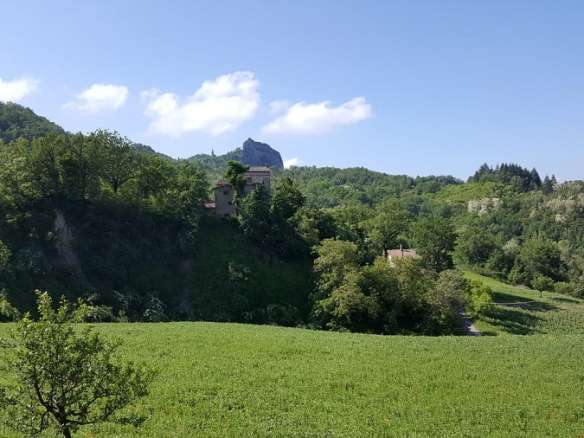
Sasso Marconi and Pianoro mark the transition from the city to the Apennine landscape. These areas appeal to buyers seeking countryside surroundings while remaining within reach of Bologna.
Valsamoggia, west of the city, includes several former municipalities and a varied landscape of villages, farmland and hills. Property ranges from apartments and detached houses to farmhouses and villas with land.
Imola is the second principal urban centre in the metropolitan area. It has its own historic centre, railway station, services and employment base. Buyers can find apartments, townhouses, modern homes and countryside properties in the surrounding district.
Castel San Pietro Terme is known for its thermal tradition, while nearby Dozza is a distinctive hill town recognised for its painted walls and medieval fortress. Both areas combine historic character with access to the cities and countryside of eastern Emilia-Romagna.
The Bologna Apennines
The southern part of the metropolitan city extends into the Apennines. Important locations include Alto Reno Terme, Lizzano in Belvedere, Loiano, Monghidoro, Monzuno and Castiglione dei Pepoli.
Porretta Terme, now part of Alto Reno Terme, is a historic spa town with rail connections between Bologna and Tuscany. The surrounding mountains offer traditional village houses, apartments and rural properties.
Lizzano in Belvedere provides access to the Corno alle Scale mountain area, where skiing and winter activities complement hiking and cycling during warmer months. Properties here include mountain apartments, cottages and detached holiday homes.
Apennine properties can be less expensive than homes close to Bologna, but buyers should investigate road access, heating costs, winter conditions and the availability of year-round services.
Landscape and Local Lifestyle
The northern part of the metropolitan area consists mainly of plains, agricultural land and well-connected towns. South of Bologna, the landscape rises through vineyards and rolling hills before reaching the forests and peaks of the Apennines.
Bologna is internationally associated with food, particularly fresh pasta, ragù, mortadella and other products from Emilia-Romagna. The city has a lively cultural and social scene shaped by its university, theatres, music venues, markets and restaurants.
Life outside the city is quieter. The hills provide countryside living within reach of urban services, while the Apennines offer walking, cycling, skiing and a more traditional village atmosphere.
Airports and Transport Connections
Bologna Guglielmo Marconi Airport is the principal airport serving the metropolitan area. Its position close to the city makes Bologna one of the more accessible provincial capitals in Italy.
Bologna Centrale is a major junction on Italy’s high-speed railway network, with connections towards Florence, Milan, Rome, Venice and other important cities. Regional trains also serve Imola, Porretta Terme and several communities across the metropolitan area.
The A1, A13 and A14 motorways meet around Bologna, providing road connections towards Milan, Florence, Padua, the Adriatic coast and southern Italy. This excellent accessibility is an advantage, but traffic and noise can affect properties close to motorways, ring roads and major railway lines.
Public transport is extensive within Bologna and its immediate suburbs. A car becomes more important for rural properties, hill communities and smaller Apennine villages.
Buying Property in Bologna
An independent geometra, architect or engineer should confirm that the property corresponds with its municipal planning records and cadastral plans before the purchase becomes binding.
For city apartments, buyers should review:
- Condominium charges and reserve funds
- Planned work to roofs, façades and shared spaces
- Heating and energy costs
- Lift access and maintenance
- Parking or garage rights
- Cellars, attics and storage spaces
- Restricted traffic zones
- Noise from roads, railway lines or nightlife
- Legal status of internal alterations
- Rules affecting short-term rentals
Historic buildings may contain unauthorised layout changes made by previous owners. The physical arrangement of rooms, bathrooms, mezzanines and terraces should be compared with the approved plans.
Historic and Protected Buildings
Properties within Bologna’s historic centre or beneath its porticoes may be subject to conservation restrictions. Changes to windows, shutters, façades, roofs, balconies and external equipment can require specific approval.
Historic features such as frescoes, decorated ceilings and original floors may also be protected. Buyers planning significant alterations should obtain professional advice before completing the purchase.
A protected building can provide exceptional character, but restoration may require specialist materials and craftsmanship, increasing both costs and project times.
Rural and Hillside Property
Farmhouses and villas in the Bolognese hills can offer privacy, gardens and extensive views. Buyers should nevertheless investigate slope stability, drainage, access roads and the condition of retaining walls.
Other important checks include:
- Boundaries and ownership of land
- Legal access and rights of way
- Wells and water supplies
- Septic tanks and wastewater systems
- Agricultural or woodland restrictions
- Authorisation for barns and annexes
- Flood and landslide exposure
- Existing leases or farming agreements
- Internet and mobile coverage
- Distance from shops and medical facilities
The conversion of an agricultural building into residential accommodation is not automatic. Its current authorised use and potential for conversion must be verified with the relevant municipality.
Seismic, Flood and Landslide Considerations
The Bologna area is subject to seismic risk, with conditions varying across the metropolitan territory. Older buildings and rural properties should be inspected for structural weaknesses and previous alterations.
Low-lying areas can be exposed to flooding or drainage problems, while the hills and Apennines can be affected by landslides and slope instability. Buyers should ask a qualified professional to review the applicable hazard maps for the individual property.
Insurance availability, maintenance obligations and possible restrictions on future work should also be investigated.
Renovating Property in Bologna
Renovation opportunities include historic apartments, rural farmhouses, village houses and former agricultural buildings. Common work may involve structural reinforcement, roof repairs, damp treatment, restoration of original materials and improvements to heating and insulation.
Projects within the city can be complicated by limited access, condominium rules and restrictions on working hours or scaffolding. Rural projects may require improvements to roads, utilities, drainage and wastewater systems.
A professional feasibility assessment and realistic budget should be prepared before buying a property that requires substantial work.
Rental and Investment Considerations
Bologna has year-round demand associated with its university, hospitals, businesses, exhibitions and tourism. However, strong general demand does not guarantee that every property will achieve the same occupancy or rental return.
Student accommodation should be assessed for its distance from university facilities, public transport and everyday services. Buyers should also consider maintenance, property management and the legal requirements associated with different rental arrangements.
Short-term accommodation can perform differently according to neighbourhood, season and local competition. Owners should confirm current municipal, regional and national requirements before offering a property to guests.
The Metropolitan City of Bologna combines an internationally connected regional capital with historic towns, productive countryside and Apennine landscapes. Explore more locations and available listings through our property for sale in Emilia-Romagna page.