Discover Abruzzo, Italy
- Home
- Discover Italy
- Discover Abruzzo, Italy

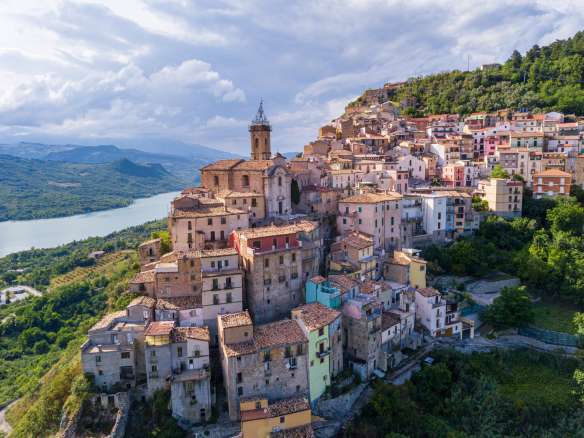
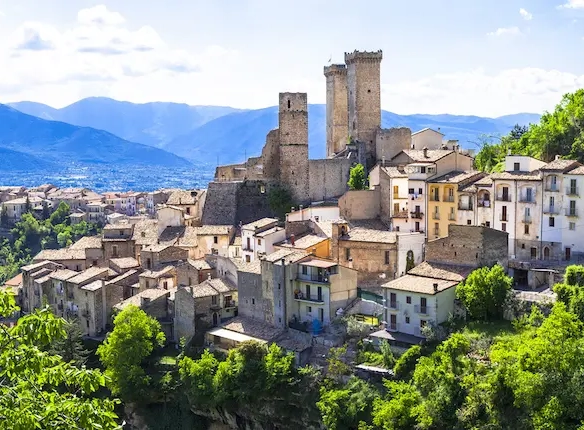
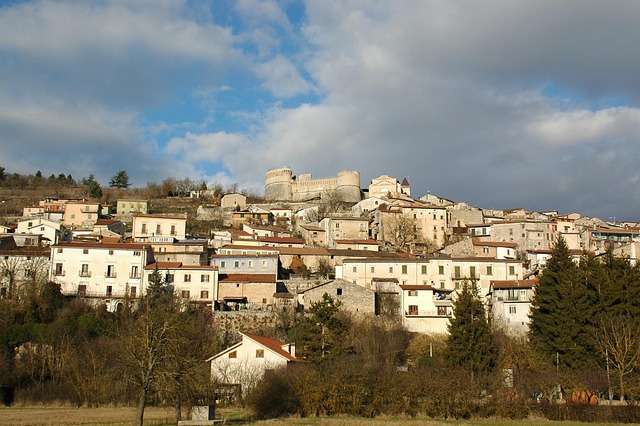
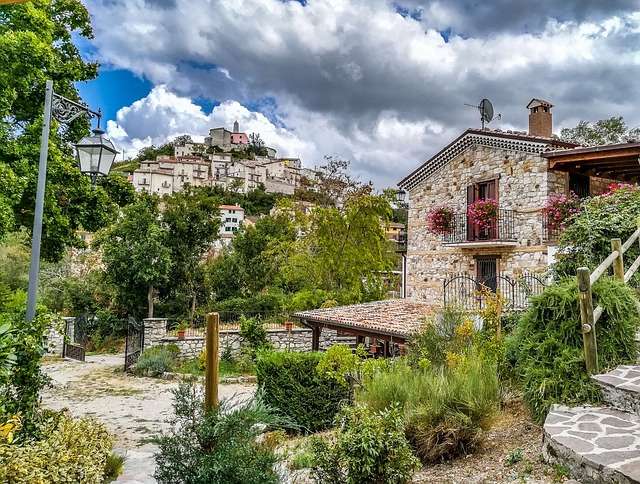
Discover Abruzzo, Italy, a remarkably varied region stretching from the high peaks of the central Apennines to the Adriatic coast. Mountain villages, national parks, historic towns, vineyards, olive groves and long stretches of coastline all sit within a relatively compact area.
Abruzzo is one of Italy’s most varied regions, stretching from the high peaks of the central Apennines to the Adriatic coast. Mountain villages, national parks, historic towns, vineyards, olive groves and long stretches of coastline all sit within a relatively compact area, giving the region a character that is noticeably different from many of Italy’s better-known destinations.
Much of Abruzzo remains rural and lightly developed, with everyday life still centred around small towns, local markets, seasonal festivals and family-run businesses. At the same time, larger centres such as Pescara provide modern services, transport connections and a lively coastal atmosphere.
For anyone considering spending more time in central Italy, Abruzzo offers an unusual combination of mountains, countryside, beaches and historic communities without the intensity of the country’s major tourist regions.
Homes for sale in Abruzzo
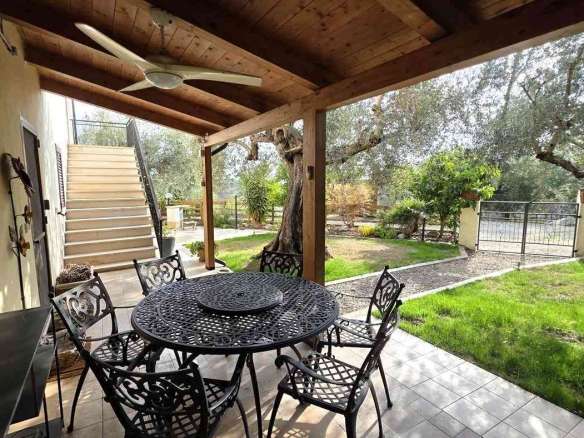
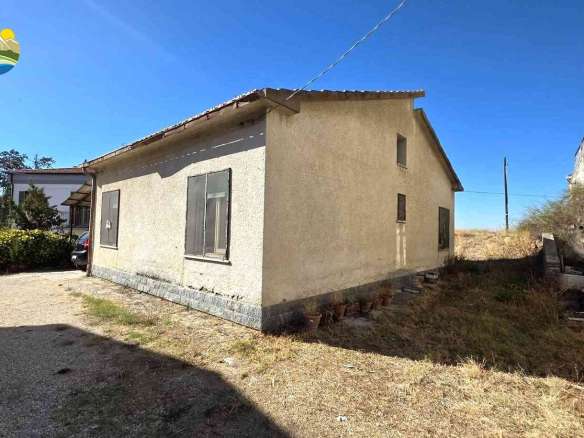
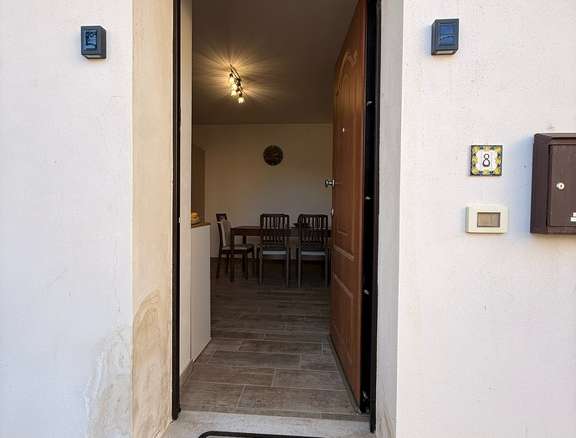
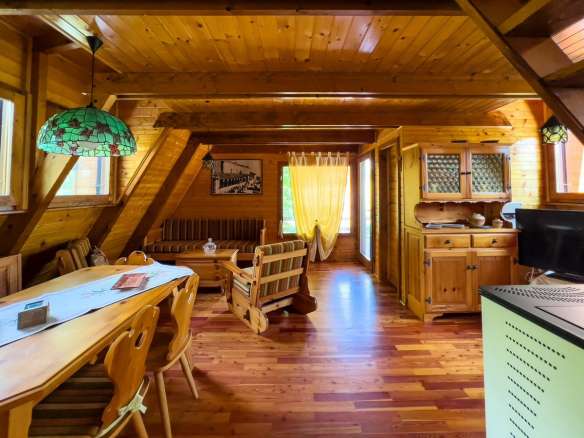
House in Villa Celiera, Pescara, Abruzzo, Italy
Villa Celiera, Pescara, Abruzzo- Beds: 2
- Bath: 1
- 77 m²
- House
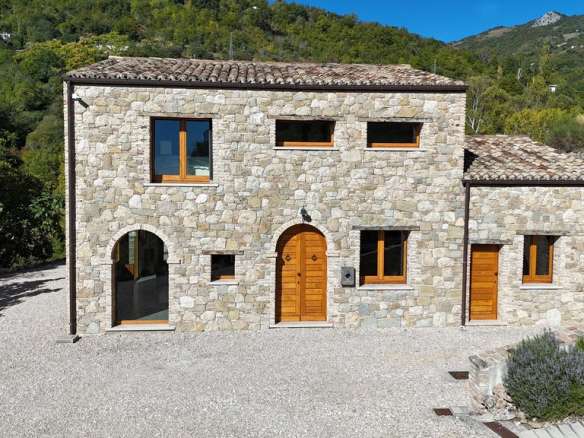
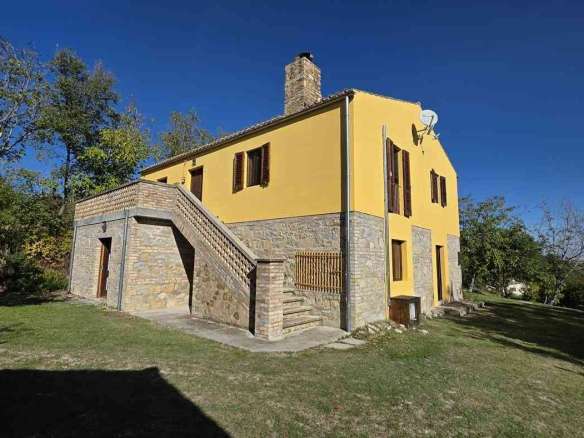
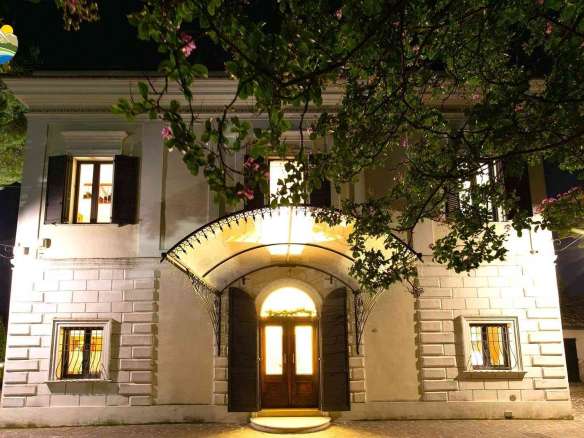
House in Villa Celiera, Pescara, Abruzzo, Italy
Villa Celiera, Pescara, Abruzzo- Beds: 3
- Baths: 3
- 250 m²
- House
Where Is Abruzzo?
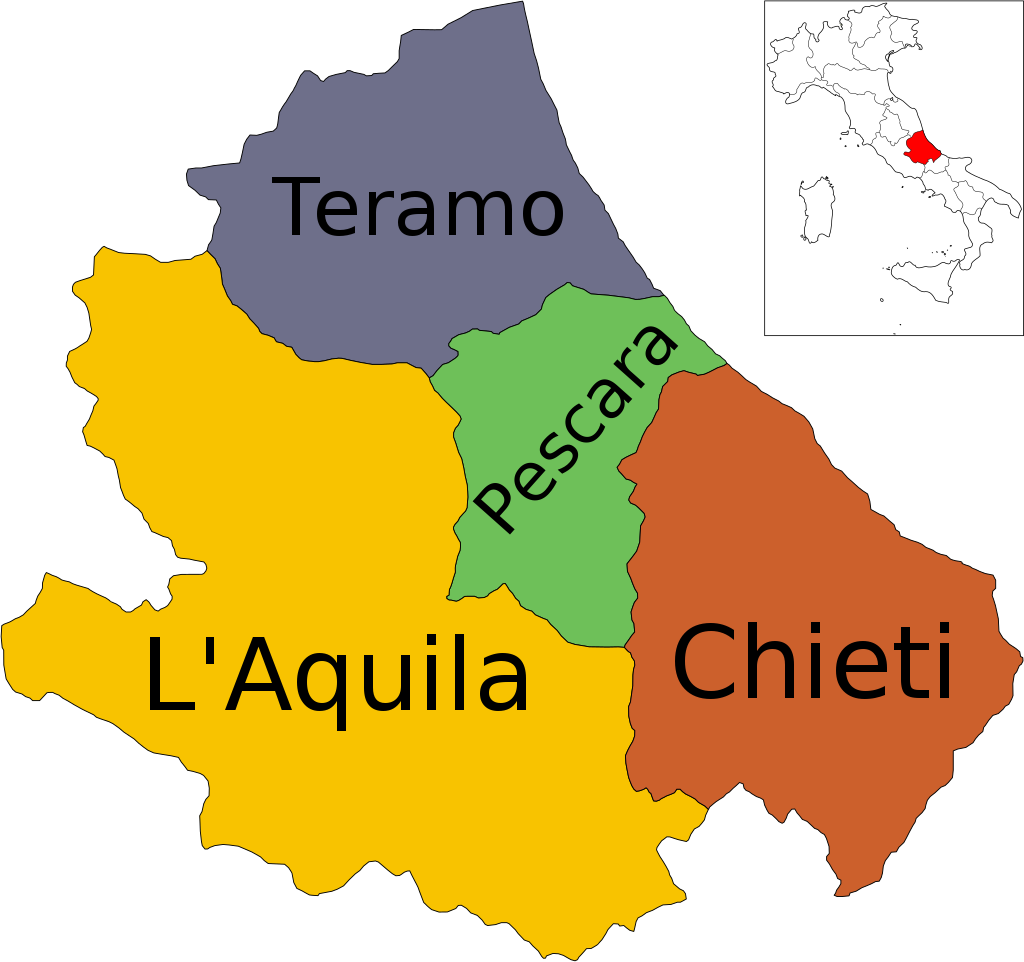
Abruzzo lies in central Italy, between the Apennine mountains and the Adriatic Sea. It borders Marche to the north, Lazio to the west, Molise to the south and the Adriatic coastline to the east.
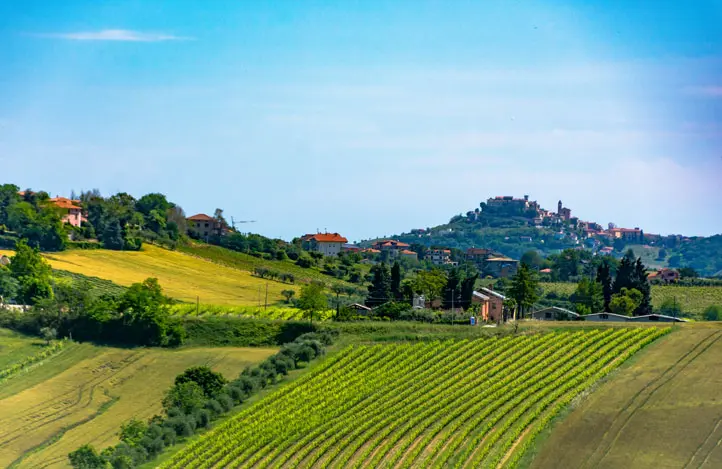
The landscape changes dramatically across the region. Western Abruzzo is dominated by mountains, plateaus and national parks, while the central hills are covered with farmland, vineyards and olive groves. Further east, the land descends towards coastal towns and beaches along the Adriatic.
This variety means that very different lifestyles can be found within relatively short travelling distances, from mountain communities surrounded by forests to busy coastal towns.

Provinces in the region of Abruzzo, Italy
Mountains, National Parks and Countryside
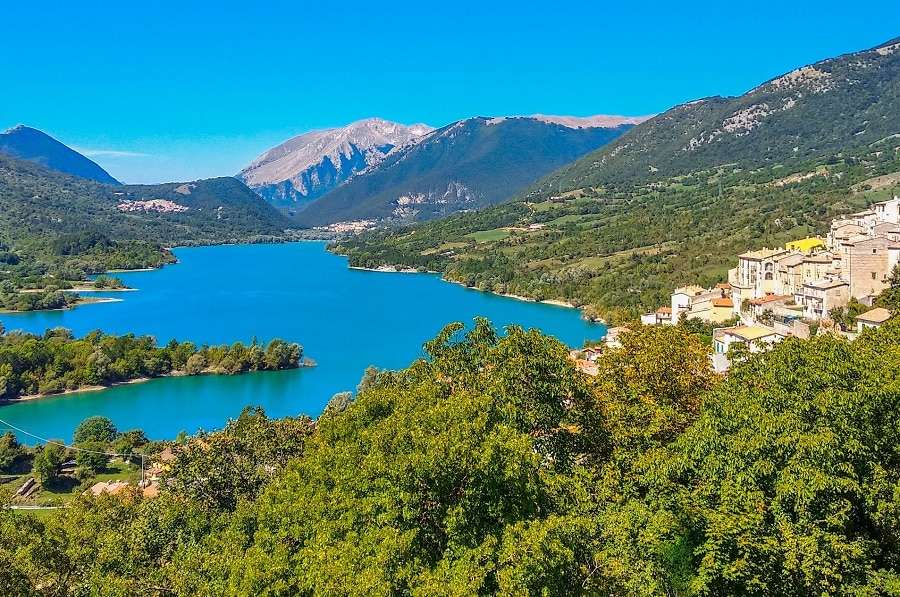
Abruzzo is particularly known for its mountain scenery and protected landscapes. The Gran Sasso massif contains Corno Grande, the highest peak in the Apennines, while the Maiella range forms another dramatic part of the regional landscape.
Large areas are protected through national and regional parks, creating extensive habitats for wildlife and preserving forests, mountain plateaus and remote valleys. Walking, cycling, climbing and skiing are all important parts of outdoor life in different parts of the region.
Between the mountains and coast, rolling agricultural countryside is dotted with villages, vineyards, olive groves and traditional farm buildings.

The Adriatic Coast
Abruzzo’s eastern boundary follows the Adriatic Sea, with a mixture of sandy beaches, established resorts, small fishing communities and stretches of quieter coastline.
The northern coast around places such as Giulianova, Roseto degli Abruzzi and Alba Adriatica has broad beaches and established seaside facilities. Further south, the coastline around Ortona and Vasto becomes more varied.
One of the best-known sections is the Costa dei Trabocchi, named after the traditional wooden fishing structures built out over the sea. Coastal paths, beaches, coves and small restaurants give this part of Abruzzo a distinctive character.

Towns and Places to Explore
Abruzzo does not revolve around a single dominant city. Instead, each province has its own centres, smaller towns and historic communities.
L’Aquila is the regional capital and sits in a dramatic mountain setting. The wider province includes destinations such as Sulmona, Scanno and numerous historic villages within easy reach of national parks.
Pescara is the region’s largest urban centre and provides a very different experience, with beaches, shopping, restaurants, transport links and a busy waterfront.
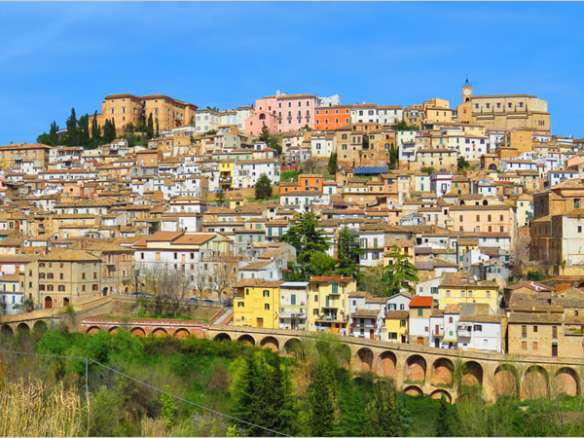
Teramo lies between the mountains and the northern Adriatic coast, while Chieti occupies a hilltop position within easy reach of both Pescara and the countryside.
Smaller destinations such as Sulmona, Penne, Lanciano, Ortona and Vasto each provide their own perspective on the region, from medieval centres and market towns to coastal communities.
Food and Local Traditions
Abruzzo has a strong regional food culture shaped by both mountain and coastal traditions.
Inland areas are associated with dishes based around pasta, lamb, cheeses and locally grown produce. Arrosticini, small skewers traditionally made from mutton or lamb, are among the region’s most recognisable foods.
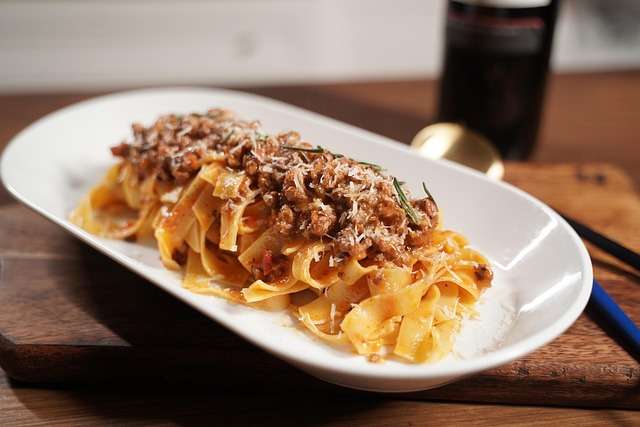
Pasta traditions include maccheroni alla chitarra, made using a distinctive stringed cutting tool. Along the coast, seafood becomes increasingly important, while vineyards throughout the hills produce wines including Montepulciano d’Abruzzo and Trebbiano d’Abruzzo.
Local festivals, religious celebrations, village events and food traditions remain an important part of community life throughout the year.

Life in Abruzzo
Daily life varies considerably between Abruzzo’s coast, provincial towns and smaller inland communities.
Pescara and the larger towns provide the broadest range of shops, healthcare, schools, restaurants and professional services. Smaller villages can offer a much quieter pace of life, although residents may need to travel for some services.
Weekly markets remain common, and many towns maintain an active historic centre with cafés, small shops and community events.
For people moving from abroad, the choice between a rural village, provincial town and coastal centre can make a significant difference to everyday life. Access to transport, shops, healthcare and year-round services is worth considering alongside the character of the location itself.

Getting to and Around Abruzzo
Abruzzo Airport is situated near Pescara and provides the region with direct air connections.
The A14 motorway follows the Adriatic coast, linking Abruzzo with other destinations on Italy’s eastern side. The A24 and A25 motorways cross the Apennines towards Rome, while rail services connect the principal coastal towns.
A car is particularly useful for exploring inland villages, rural areas and mountain communities. Public transport is more practical along the coast and between larger towns than in remote countryside locations.

Who Might Enjoy Abruzzo?
Abruzzo can suit people looking for a quieter side of Italy while still wanting access to towns, beaches and transport connections.
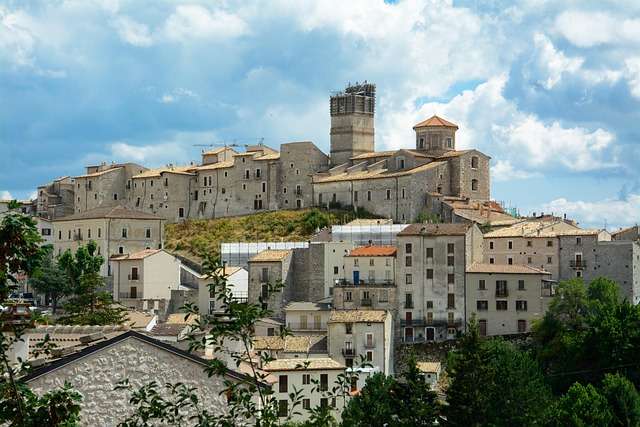
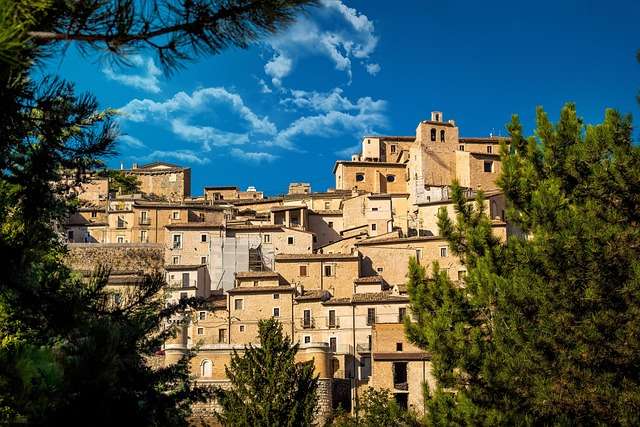
Outdoor enthusiasts can take advantage of mountains, national parks and ski areas. Coastal communities provide a different lifestyle centred around the Adriatic, while the inland hills and villages offer traditional architecture, agricultural landscapes and a slower pace of life.
The diversity within the region is one of its main strengths. Someone looking for an apartment close to city services will have very different options from someone interested in village life or a rural setting.

Property and Living in Abruzzo
Property forms an important part of exploring any region as a potential place to live, but the first step is understanding which part of Abruzzo best suits your lifestyle.
Coastal towns, provincial centres, mountain communities and rural villages can differ considerably in accessibility, services and atmosphere.
For current homes available across the region, visit Property for Sale in Abruzzo, Italy and browse listings by province, location and property type.

Frequently Asked Questions About Abruzzo
Abruzzo is in central Italy, between the Apennine mountains and the Adriatic Sea. It borders Marche, Lazio and Molise.
Yes. Abruzzo has a long Adriatic coastline with sandy beaches, established seaside towns and the distinctive Costa dei Trabocchi in the south.
Yes. A substantial part of the region is mountainous and includes the Gran Sasso and Maiella ranges, together with several national and regional parks.
L’Aquila is the regional capital, while Pescara is the largest urban and commercial centre and the location of Abruzzo’s main airport.
Yes, particularly for rural areas, mountain villages and smaller inland communities. Public transport is more extensive around the larger towns and along the Adriatic coast.
Abruzzo is known for its mountains, national parks, historic villages, Adriatic coastline, traditional food, wine and strong rural character.