




Learn more about Umbria, Italy
Umbria is a landlocked region in central Italy, bordered by Tuscany, Le Marche and Lazio. Often described as the Green Heart of Italy, it is known for wooded hills, olive groves, vineyards, medieval towns and the shores of Lake Trasimeno.
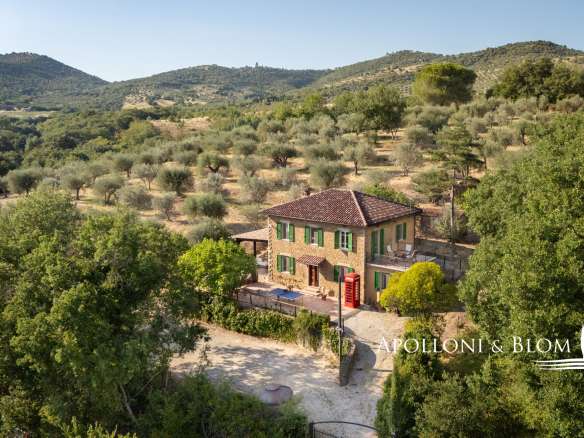
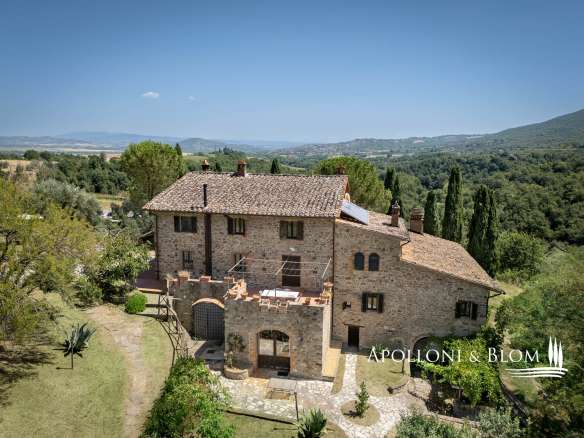
Property for sale in Umbria includes restored stone farmhouses, country villas, historic townhouses, city apartments, village homes and rural renovation projects. The region is particularly attractive to buyers seeking countryside and traditional architecture within reach of Rome, Florence and the main destinations of central Italy.
Prices vary according to accessibility, condition and location. Restored farmhouses near recognised towns or Lake Trasimeno generally command higher prices than properties in remote mountain communities or villages with fewer services.
Umbria is divided into two provinces:
Perugia
Property for sale in Perugia covers the northern and central parts of Umbria. It includes the regional capital, Lake Trasimeno and many of the region’s best-known historic towns.
Perugia is an important university, administrative and cultural centre. Its property market includes apartments in historic buildings, modern homes, townhouses and villas in surrounding residential areas.
The province contains Assisi, Spello, Gubbio, Città di Castello, Umbertide, Foligno, Spoleto and Todi. These towns offer apartments, historic houses, palazzi and homes within nearby countryside.
Assisi, Spello and the Umbrian Valley are surrounded by olive groves and agricultural land, with properties ranging from stone farmhouses to villas and converted rural buildings. Gubbio and the northern Apennine areas provide more rugged landscapes, wooded hills and traditional village homes.
The province also includes Lake Trasimeno, where important locations include Castiglione del Lago, Passignano sul Trasimeno, Tuoro sul Trasimeno, Magione, Panicale and Paciano.
Property around Lake Trasimeno includes village houses, modern apartments, villas with lake views and country homes among olive groves. Buyers should distinguish between genuine waterfront access and elevated properties that overlook the lake from several kilometres away.
The eastern part of the province includes Spoleto, Trevi, Montefalco, Bevagna, Norcia and communities within the Valnerina. Property ranges from historic-centre apartments to mountain houses, farms and stone buildings requiring restoration.
Some eastern and south-eastern communities have experienced significant earthquake activity. The structural condition, repair history and administrative status of older properties require careful investigation.
Terni
Property for sale in Terni covers southern Umbria and borders Lazio and Tuscany. The province includes industrial and urban areas, wooded valleys, agricultural hills and historic towns overlooking the Tiber Valley.
Terni is the provincial capital and an important employment and service centre. Its property market mainly includes apartments, family homes, townhouses and villas in surrounding communities.
Nearby attractions include the Marmore Falls, the Nera Valley and Lake Piediluco. Smaller communities such as Arrone, Ferentillo and Montefranco offer stone village houses, rural homes and properties surrounded by wooded hills.
Orvieto occupies a dramatic position on a plateau of volcanic tuff. Its historic centre contains apartments, townhouses and palazzi, while the surrounding countryside offers villas, farmhouses, vineyards and rural estates.
Other important locations include Amelia, Narni, San Gemini, Acquasparta, Otricoli and Baschi. These areas combine historic villages with rolling countryside and convenient access towards Rome.
Southern Umbria can be particularly useful for buyers who need regular access to Rome. Towns close to the A1 motorway or main railway lines generally provide easier connections than isolated properties within the hills.
Traditional rural homes may include barns, stores and former agricultural buildings. Their conversion to residential or guest accommodation is subject to planning permission and should never be assumed from the sales description alone.
Property and Lifestyle in Umbria
Umbria offers a predominantly rural lifestyle without being completely isolated from major Italian cities. Perugia and Terni provide the broadest range of employment, healthcare, education and shopping, while towns such as Assisi, Orvieto, Spoleto, Foligno and Città di Castello have substantial year-round communities.
Smaller villages can provide peace, historic character and access to the countryside, but public transport and local services may be limited. Buyers planning permanent residence should check shops, medical facilities, schools and road conditions outside the main tourism season.
Common property types include stone farmhouses, country villas, village houses, historic apartments and agricultural estates. Rural homes often have thick stone walls, timber beams, terracotta floors, fireplaces and traditional external staircases.
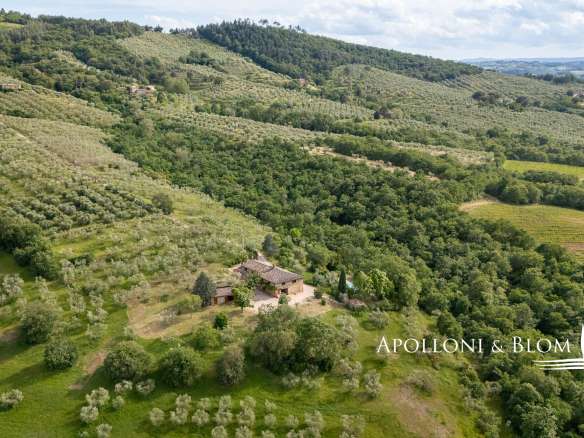
Properties with land may include olive groves, vineyards, woodland or pasture. The condition of the land, agricultural obligations and cost of ongoing maintenance should be considered alongside the house itself.
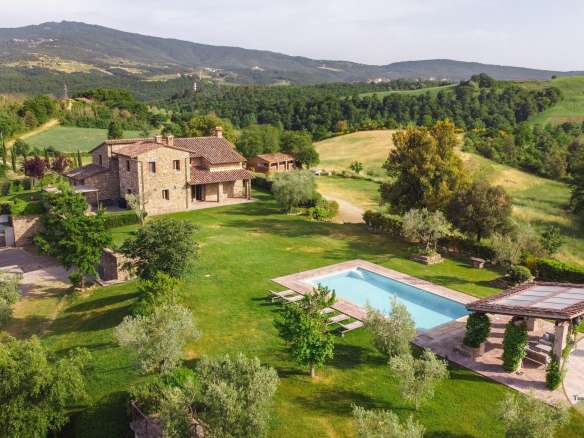
Umbria attracts visitors interested in culture, food, walking, cycling, nature and traditional towns. Holiday-rental demand varies significantly by area, season and property type. A farmhouse with a pool near a recognised destination may have different prospects from a remote renovation project without convenient access.
Any rental forecast should account for management, cleaning, utilities, pool maintenance, taxation, registration requirements and periods without bookings.
Airports and Transport Connections
Umbria International Airport, also known as Perugia San Francesco d’Assisi Airport, serves the region. Its range of routes is smaller than the principal airports in Rome, Florence or Pisa and can vary seasonally.
Rome Fiumicino and Rome Ciampino airports can be convenient for southern Umbria, particularly Orvieto, Amelia and areas with access to the A1 motorway. Florence Airport may be useful for northern and western parts of the region.
The main Rome to Florence railway passes along Umbria’s western side, with useful stations at Orvieto and nearby Chiusi in Tuscany. Other railway routes serve Perugia, Assisi, Foligno, Spoleto and Terni.
The E45 road crosses Umbria from north to south, while the A1 motorway runs close to the region’s western boundary. Rural and mountain properties usually require a car, and journey times can be longer than distances suggest.
Buying and Renovating Property in Umbria
Before purchasing a rural property, buyers should appoint an independent local technical professional to confirm planning, cadastral and structural compliance. Farmhouses may have been altered over several generations, sometimes without the correct permission.
Barns and agricultural outbuildings cannot automatically be converted into bedrooms, guest annexes or separate homes. Their current classification, permitted use and available development volume must be established before purchase.
Properties within historic centres or protected landscapes may be subject to restrictions governing roofs, windows, façades, extensions and external materials. Swimming pools can also require landscape and planning approval.
Rural checks should include legal access, land boundaries, private-road maintenance, wells, springs, septic systems, LPG tanks and electricity connections. Water availability should be assessed carefully, particularly where a property includes a swimming pool or substantial agricultural land.
Older stone houses require detailed inspections of roofs, foundations, drainage and retaining walls. Thick walls can conceal moisture, while hillside settings may create additional drainage and ground-stability concerns.
Seismic risk is an important consideration across Umbria. Buyers should investigate structural alterations, previous earthquake damage, repair grants and whether older buildings have received appropriate reinforcement.
Lake Trasimeno properties require checks covering humidity, flood classifications, access and the legal ownership of gardens or shoreline areas. A lake view does not necessarily include private access to the water.
Apartments in historic towns may have condominium charges or planned communal work. Buyers should review meeting records, outstanding debts and responsibility for roofs, façades and shared staircases.
Anyone planning short-term rentals should confirm current national, regional and municipal requirements before relying on projected income.
From restored farmhouses around Lake Trasimeno and apartments in Perugia to country homes near Orvieto and traditional houses in the Valnerina, Umbria offers a varied property market within the landscapes of central Italy. The right area will depend on accessibility, year-round services, intended use and the amount of renovation or land maintenance a buyer is prepared to undertake.