


Discover Italy
Learn more about Italy
Explore Italy, Its Regions, Lifestyle and Property
Discover Italy with Realpoint Property and explore a country of remarkable regional variety, from the Alps and northern lakes to the rolling hills of central Italy and the Mediterranean landscapes of the south and islands.
For anyone considering buying property in Italy, choosing the right location is one of the most important decisions. Italy’s 20 regions differ considerably in landscape, climate, architecture, property styles, transport links and everyday lifestyle. A farmhouse in Tuscany, apartment in Milan, trullo in Puglia and coastal home in Sicily can offer very different experiences of Italian life.
Use our Discover Italy guides to learn more about the regions, towns, landscapes and property markets before deciding where to focus your property search.
Discover the Regions of Italy
Italy is divided into 20 regions, each with its own character, traditions and property market.
From mountain communities and major northern cities to medieval hill towns, rural countryside and long stretches of Mediterranean coastline, buyers can choose between very different locations without leaving Italy.
Explore our regional guides:
- Aosta Valley
- Piemonte
- Lombardy
- Trentino-Alto Adige
- Veneto
- Friuli Venezia Giulia
- Liguria
- Emilia-Romagna
- Tuscany
- Umbria
- Le Marche
- Lazio
- Abruzzo
- Molise
- Campania
- Puglia
- Basilicata
- Calabria
- Sicily
- Sardinia
Each Discover guide can provide more detailed information about the region’s provinces, important towns, landscape, lifestyle, transport links and property market.
Northern Italy
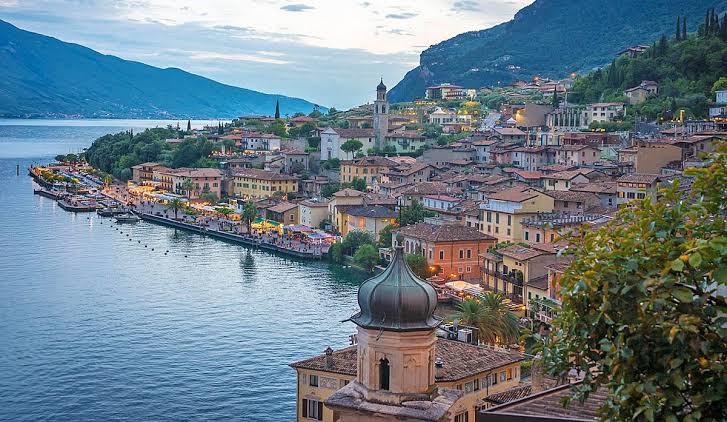
Northern Italy includes some of the country’s largest cities, Alpine landscapes, major lakes and important economic centres.
Regions such as Lombardy, Piemonte and Veneto combine city living with countryside, vineyards, mountains and lakes. Buyers may find apartments in historic centres, villas around the Italian lakes, rural homes in wine-producing areas and mountain properties closer to the Alps.
Liguria offers a very different environment, with steep coastal landscapes and towns overlooking the Mediterranean, while Trentino-Alto Adige and Aosta Valley provide a predominantly Alpine lifestyle.
Northern Italy generally has strong road, rail and airport connections, making many areas attractive to buyers who expect to travel regularly between Italy and other European countries.
Central Italy
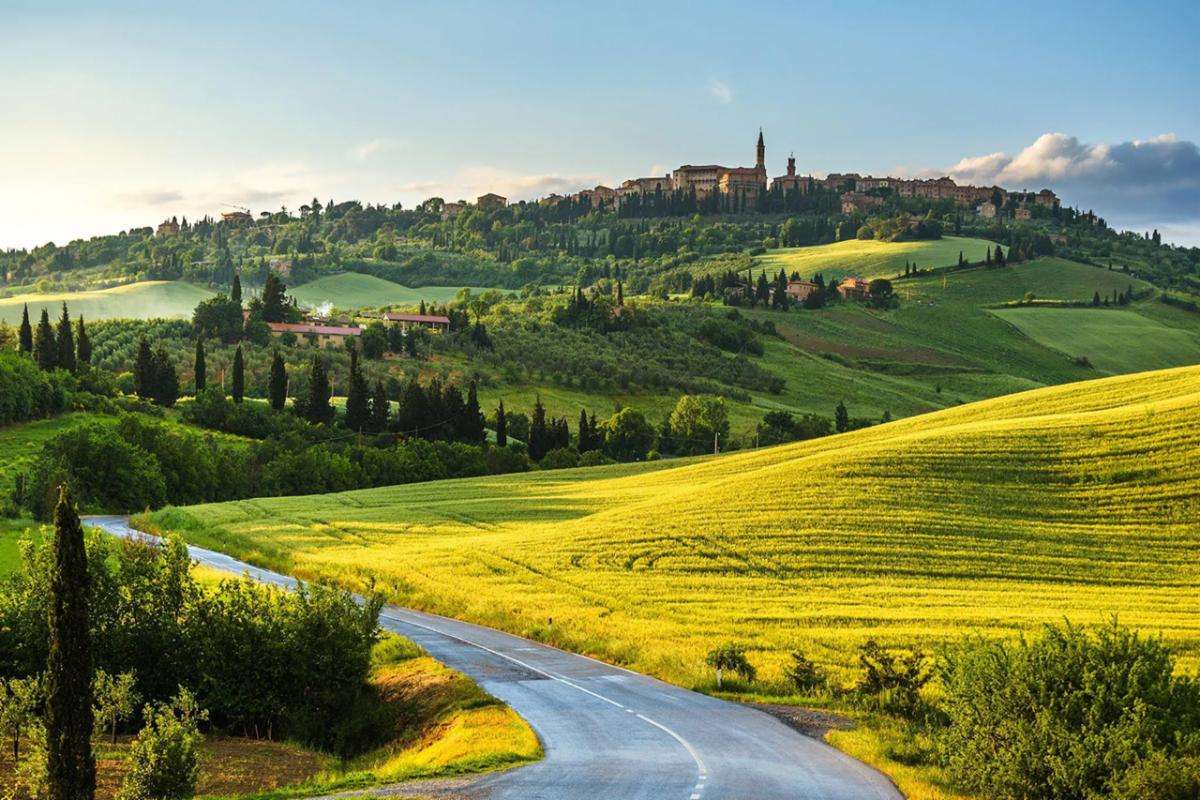
Central Italy is particularly associated with historic towns, rolling countryside, traditional stone houses and rural property.
Tuscany is internationally known for its farmhouses, villas, vineyards and cities including Florence, Siena, Pisa and Lucca. Neighbouring Umbria offers wooded hills, medieval towns and a large stock of traditional countryside property.
Le Marche combines hill towns and agricultural landscapes with the Adriatic coast, while Abruzzo stretches from high mountains and national parks to beaches on the Adriatic.
Lazio contains Rome but also extensive countryside, lakes, hill towns and coastal areas beyond the capital.
For buyers seeking traditional architecture, countryside and historic communities, central Italy offers some of the country’s most established property markets.
Sicily and Sardinia
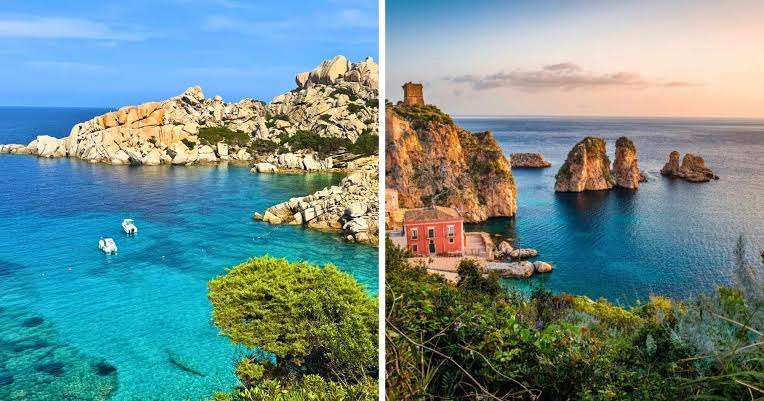
Italy’s two largest islands offer their own distinct property markets and lifestyles.
Sicily combines historic cities, agricultural countryside, mountain landscapes and extensive coastline. Property ranges from apartments and townhouses to villas, rural estates and renovation opportunities.
Sardinia is particularly known for its beaches and coastal landscapes, but the island also contains traditional inland towns, rural areas and agricultural property.
Both islands offer Mediterranean climates, but accessibility, seasonal tourism and local infrastructure can vary considerably depending on the area.
Property Types in Italy

One of the attractions of the Italian property market is the variety of homes available.
Buyers may encounter:
- Apartments in cities and historic centres
- Townhouses and village houses
- Villas and detached homes
- Farmhouses and rural houses
- Country estates
- Palazzi and historic residences
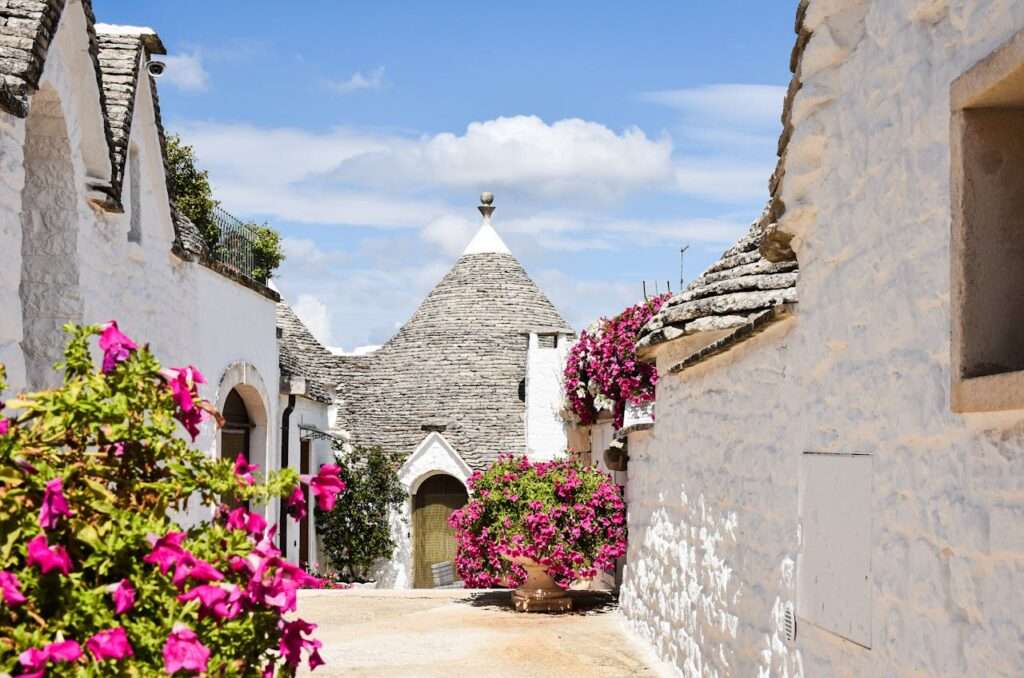
- Trulli in Puglia
- Masserie and traditional agricultural properties
- Castles and substantial period buildings
- Renovation properties
- Land and agricultural holdings
Regional architecture can be an important part of a property’s character. Traditional construction materials, layouts and building styles vary considerably across Italy.
You can also browse our dedicated property type pages to compare homes of a particular style across different Italian regions.
Choosing Where to Buy
The right region depends on how you expect to use the property.
A buyer relocating permanently may place greater importance on healthcare, schools, transport and year-round services. Someone purchasing a holiday home may prioritise airports, beaches or tourist attractions, while buyers looking for rural property may value land, privacy and access to countryside.
Questions worth considering include:
- Do you want to live in a city, town, village or countryside setting?
- How important is access to an international airport?
- Will you use the property throughout the year?
- Do you want to be close to the coast, mountains or lakes?
- How much maintenance are you comfortable taking on?
- Is outdoor space or agricultural land important?
- Do you need shops and services within walking distance?
- Are you looking for a restored home or renovation project?
Comparing regions before concentrating on individual listings can make the property search considerably more focused.
Climate and Geography

Italy stretches a long distance from north to south, so climate varies considerably.
Northern areas can experience cold winters, particularly around the Alps and higher elevations. Central Italy generally has warmer summers and milder winters, although inland and mountainous areas can still experience significant seasonal variation.
Southern Italy and the islands generally have warmer Mediterranean conditions, especially near the coast.
Altitude can be just as important as latitude. A hill town or mountain village may have a noticeably different climate from a coastal area in the same region.
Buyers planning to live in Italy year-round should consider winter temperatures, summer heat and the efficiency of heating and cooling systems in older properties.
Cities, Towns and Rural Italy

Italy offers very different lifestyles depending on the type of location.
Major cities such as Rome, Milan, Florence, Turin, Bologna and Naples offer extensive services, public transport and cultural attractions, but property prices and day-to-day costs can be higher.
Historic towns and smaller provincial centres can offer many of the conveniences of city life on a smaller scale.
Village and countryside properties may provide more space, privacy and traditional architecture, but buyers should investigate transport, healthcare, shops, internet connectivity and access before purchasing.
Transport and Accessibility
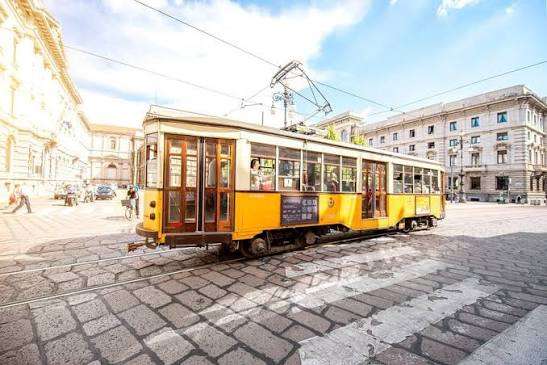
Italy has an extensive road and rail network, although accessibility varies greatly between regions.
High-speed rail connects many major cities, while regional trains and buses serve smaller centres. Buyers considering rural properties should not assume public transport will be convenient.
International airports are located throughout the country, including major hubs serving Rome, Milan, Venice, Bologna, Naples, Pisa and other cities.
When choosing an area, it is worth considering not only the nearest airport but also journey times to the property and the availability of year-round flights to destinations you use regularly.
Buying Property in Italy
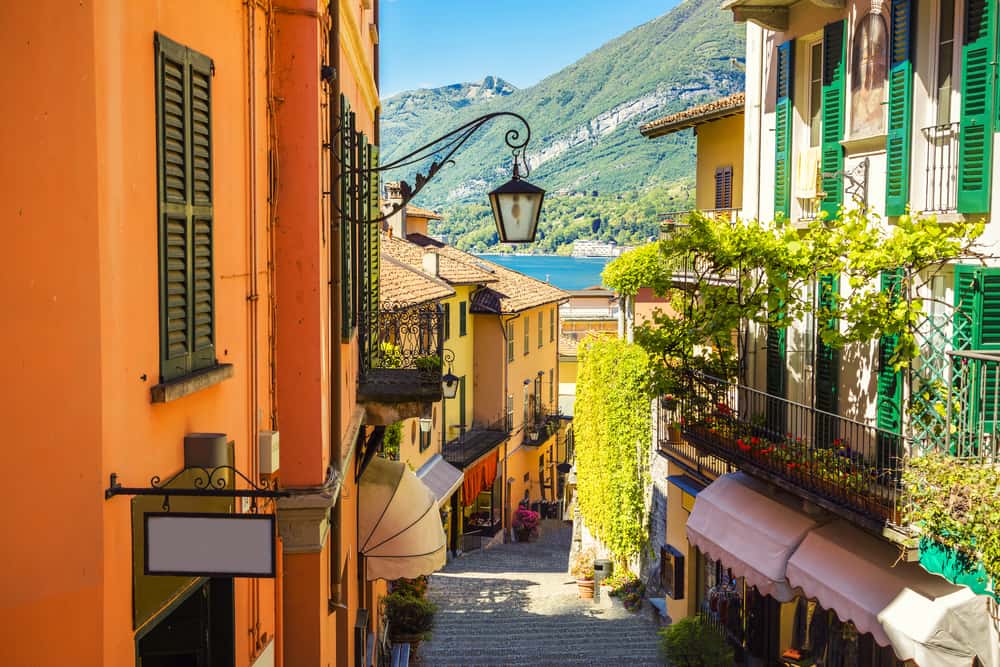
Foreign buyers can purchase property in Italy, although the legal and practical process may differ from buying property in another country.
The purchase process commonly involves an estate agent, notary and, depending on the property, other professionals such as a geometra, architect, lawyer or commercialista.
Important matters can include:
- Legal ownership
- Planning and cadastral compliance
- Purchase taxes and fees
- Property condition
- Boundaries and rights of way
- Utilities and services
- Renovation permissions
- Condominium costs where applicable
Independent legal and technical checks are important before committing to a purchase.
Our Italian property guides provide more detailed information about buying, taxes, renovation and other practical issues.
Renovation Property in Italy
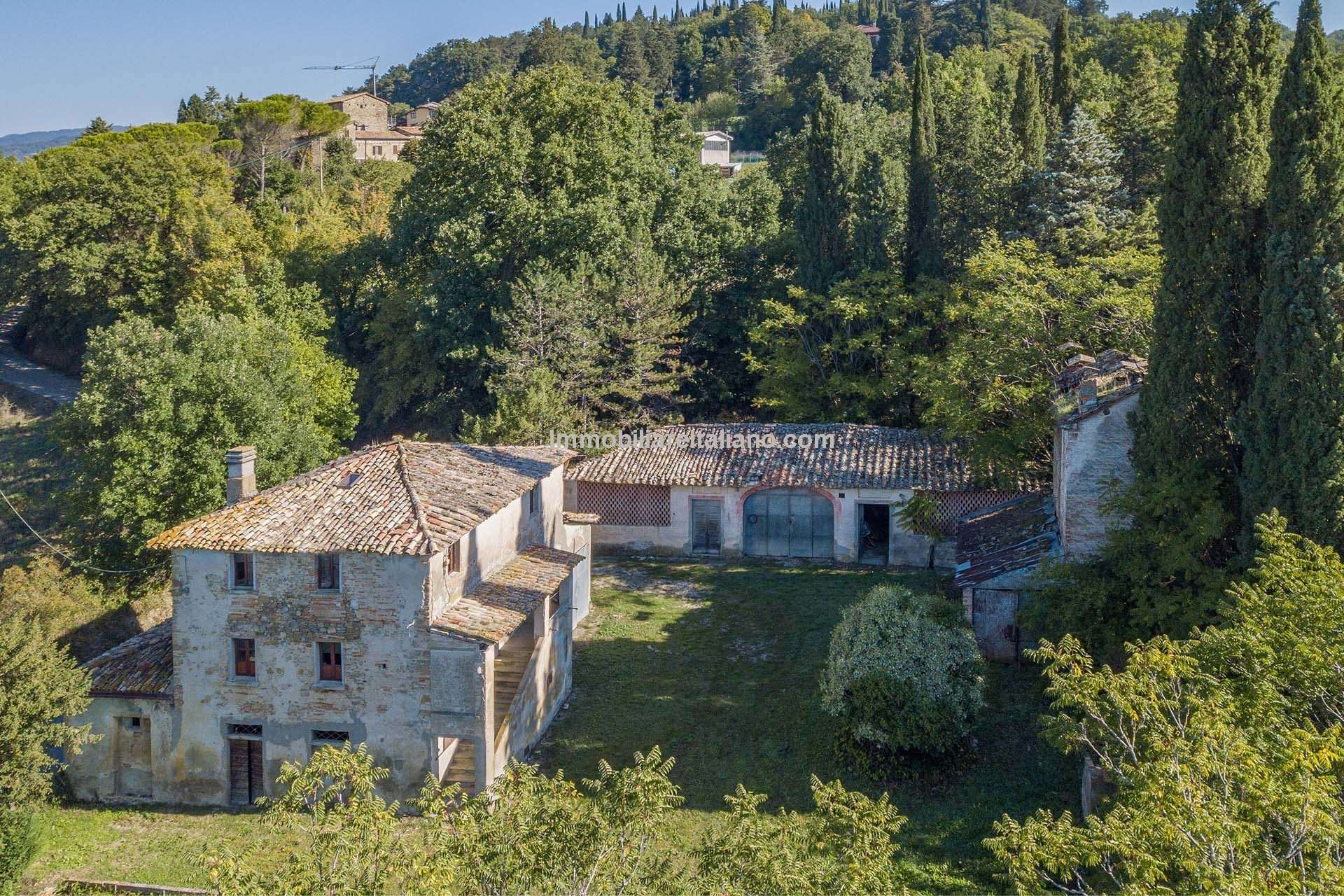
Italy has a substantial stock of older homes, including village houses, farmhouses and historic buildings requiring renovation.
These properties can offer character and potential, but buyers should understand the condition and legal status of a building before relying on renovation plans.
A professional survey and review of planning and cadastral records can help establish what work may be required and whether proposed changes are likely to be permitted.
Renovation costs can vary considerably according to the building, location, access and standard of finish.
Living in Italy
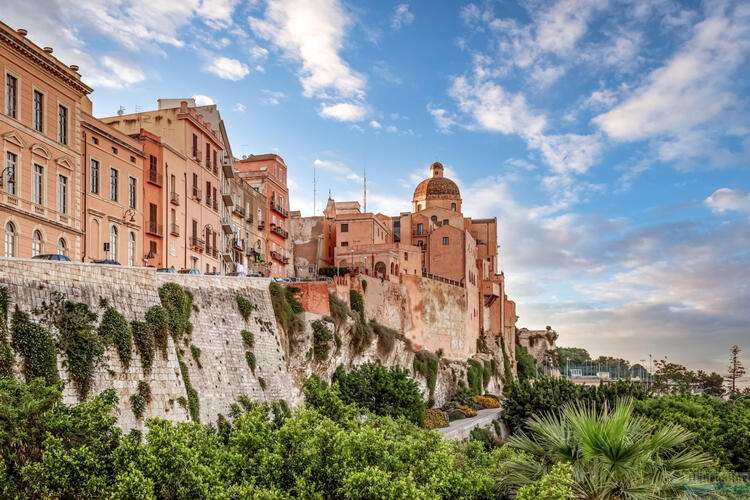
Property choice is only one part of deciding where to live in Italy.
Everyday life can vary greatly between a busy northern city, a Tuscan hill town, a small Abruzzo village and a coastal community in Sicily.
Factors to consider include:
- Cost of living
- Healthcare access
- Transport
- Local services
- Climate
- Language
- Community
- Seasonal tourism
- Employment or remote-working requirements
Spending time in an area during different seasons can provide a more realistic understanding of what living there throughout the year may be like.
Start Exploring Italy
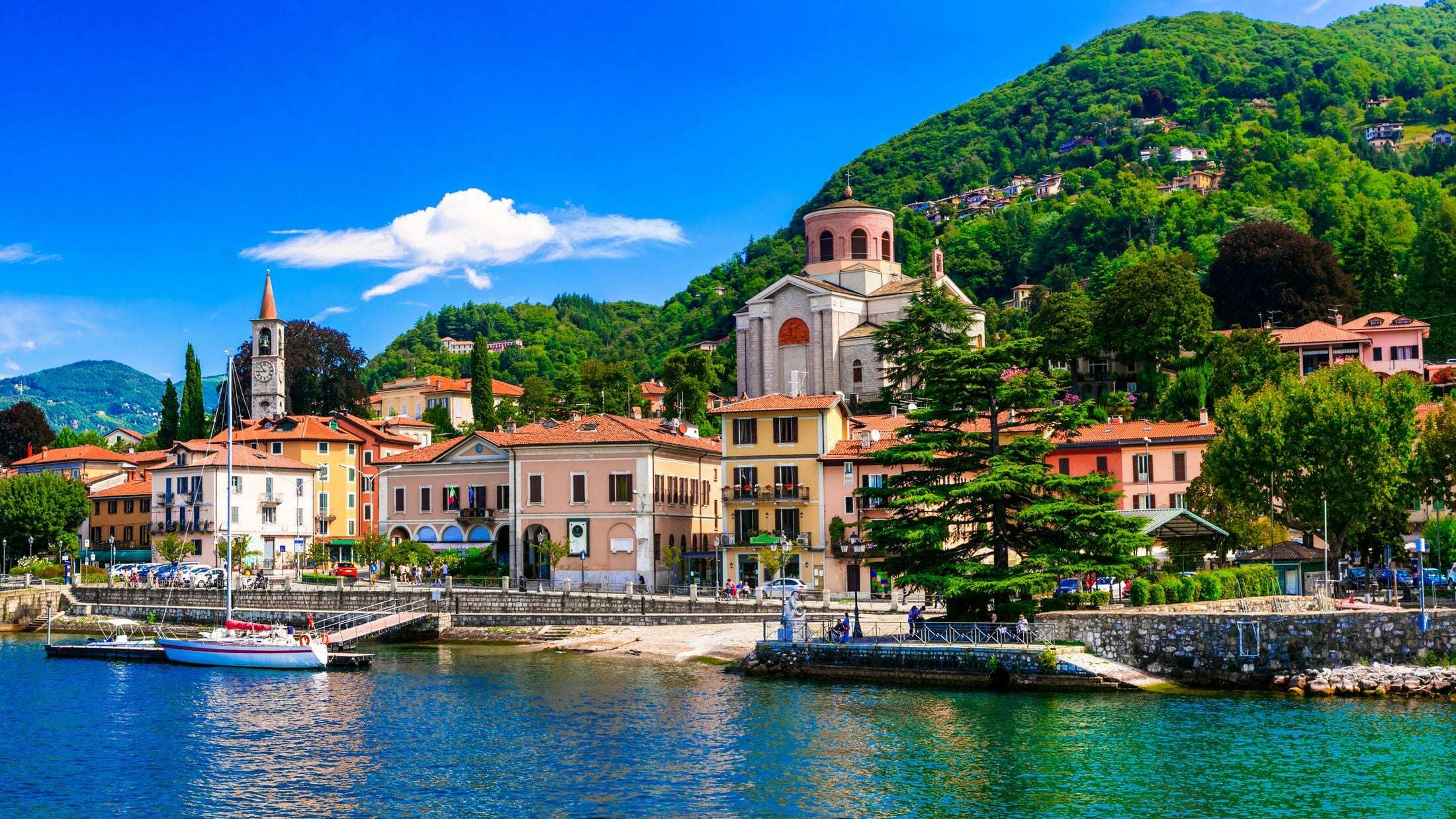
Italy offers an exceptionally varied choice of places to live and property to buy, from Alpine villages and northern cities to central Italian countryside and Mediterranean coastal communities.
Start with our regional Discover Italy guides to compare different areas, then explore property for sale in Italy when you are ready to look at available homes.