




Understanding Castles in Italy
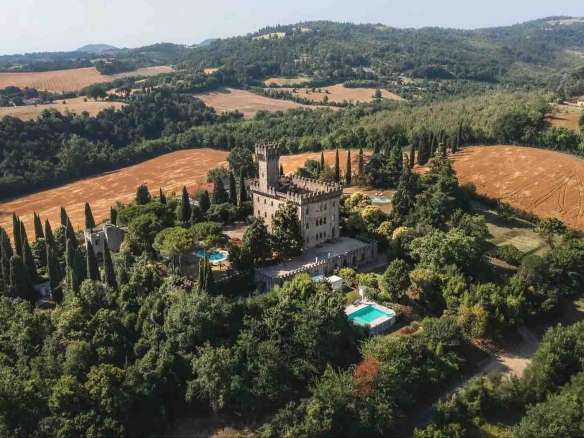
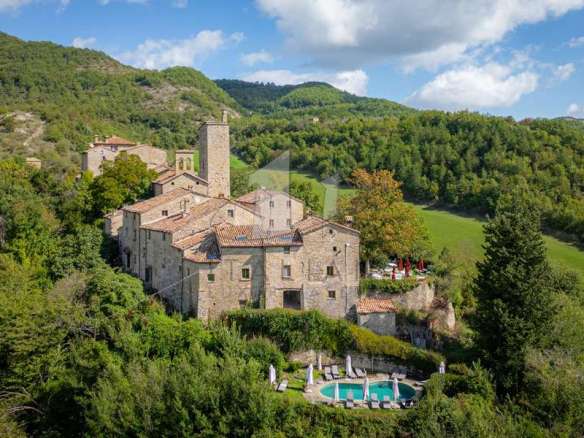
Castles for sale in Italy include medieval fortresses, fortified residences, Renaissance palazzi and historic estates surrounded by vineyards, woodland or formal gardens. These distinctive properties offer an opportunity to own an important part of Italian architectural heritage, whether as a private residence, restoration project or hospitality business.
The term castle can cover several different property types. Some are substantial defensive structures with towers, battlements and enclosed courtyards, while others are elegant country residences that developed from earlier fortified buildings. Buyers should therefore examine the history, legal classification and physical condition of each property rather than relying on its description alone.
Common Types of Italian Castles
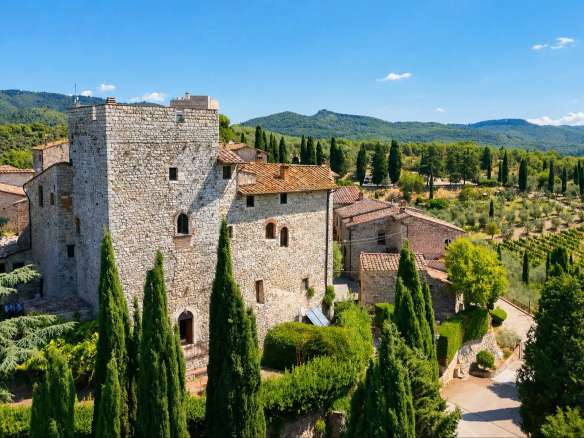
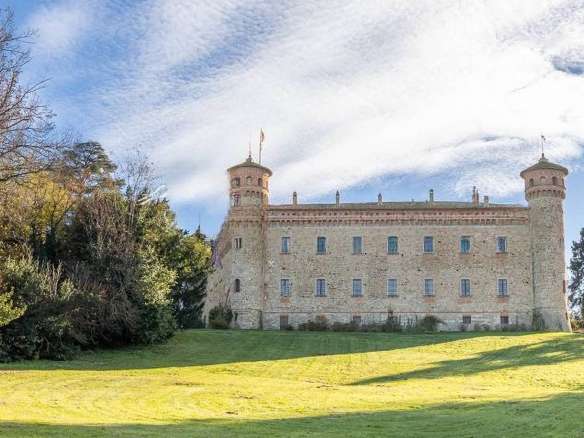
Italian castles reflect centuries of changing architectural styles and regional history. Properties offered for sale may include:
- Medieval castles with towers and defensive walls
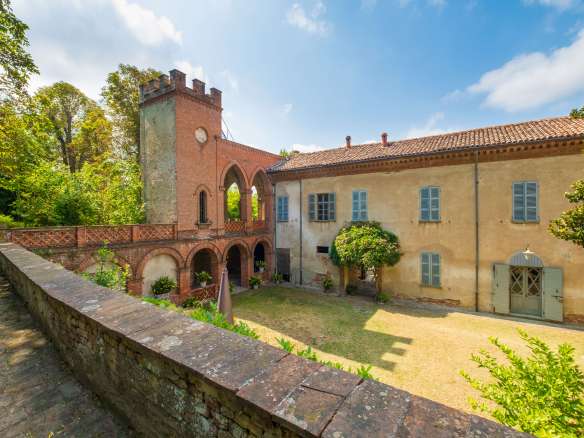
- Fortified manor houses and country residences
- Renaissance palazzi built around internal courtyards
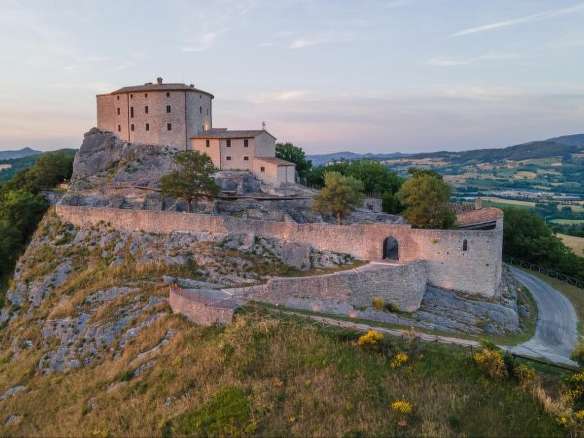
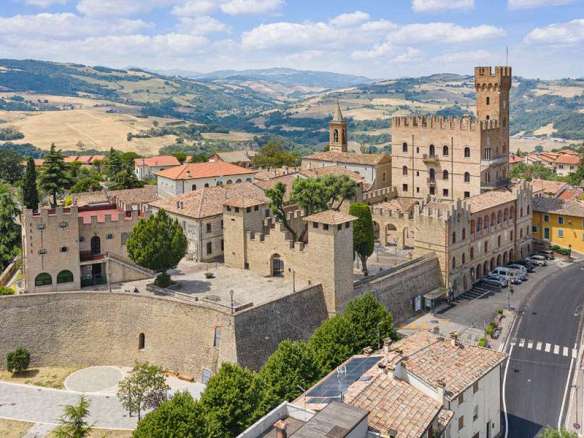
- Hilltop fortresses overlooking towns and valleys
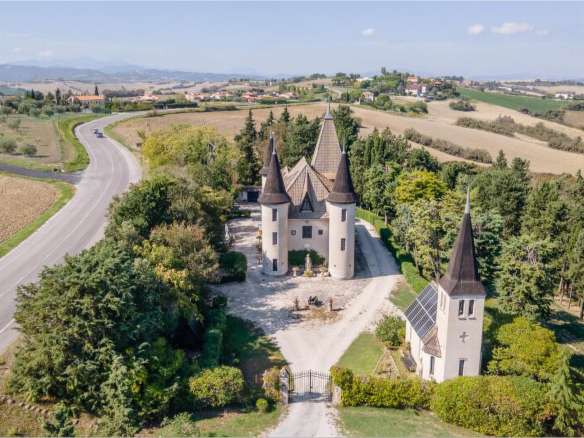
- Historic estates incorporating chapels and farm buildings
- Tower houses and smaller fortified residences
- Castles divided into apartments or separate dwellings
- Ruins and substantial restoration projects
- Restored properties operating as hotels or event venues
- Historic villages or groups of buildings forming a private borgo
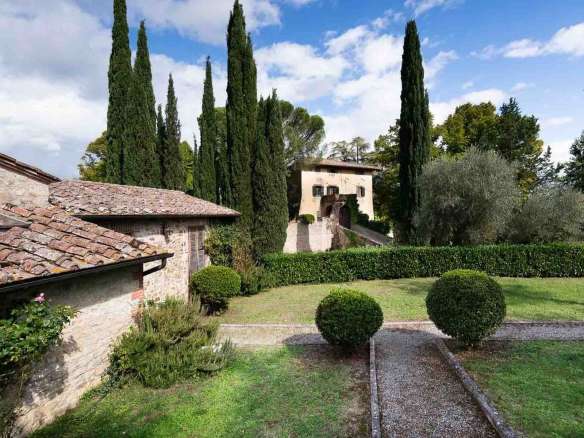
Original features can include vaulted ceilings, frescoes, stone staircases, coats of arms, defensive towers, ancient cellars and monumental fireplaces. Larger estates may also contain gatehouses, private chapels, staff accommodation, stables, farmhouses and agricultural land.
Where to Find Castles in Italy
Castles can be found throughout Italy, although their architecture and surroundings differ considerably between regions.
Tuscany and Umbria are known for hilltop fortresses, historic estates and castles surrounded by vineyards, olive groves and medieval villages. Le Marche and Abruzzo offer fortified residences and rural estates set between the Apennine Mountains and the Adriatic coast.
Northern regions such as Piemonte, Lombardy and Emilia-Romagna contain castles associated with noble families, agricultural estates and historic trade routes. Some overlook vineyards and valleys, while others stand close to important cities, lakes or Alpine landscapes.
Veneto, Friuli Venezia Giulia and Trentino-Alto Adige offer castles influenced by both Italian and Central European architectural traditions.
Southern Italy and the islands also contain an extensive variety of fortified properties. Puglia has coastal towers, fortified masserie and historic residences, while Sicily includes Norman castles, noble palazzi and estates shaped by the island’s varied cultural history.
Living in an Italian Castle
Owning a castle offers exceptional space, privacy and architectural character, but it also brings responsibilities that differ substantially from those associated with a conventional home.
Large rooms, thick stone walls and extensive grounds can create an impressive setting for family life, entertaining and cultural events. However, heating, security, staffing and maintenance must be carefully considered. Some historic buildings have steep staircases, limited natural light or rooms that are difficult to adapt for modern use.
The location is equally important. A hilltop castle may provide extraordinary views but have a steep or narrow access road. A rural estate can offer privacy and land, although shops, healthcare and transport connections may be some distance away.
Buying a Castle in Italy
Before purchasing a castle, buyers should establish exactly which buildings, land and rights are included. Large historic estates can have complex boundaries, shared access roads, agricultural tenancies or separate cadastral registrations.
Professional investigations should cover:
- Ownership, boundaries and rights of way
- Planning and cadastral compliance
- Structural condition of towers, walls, roofs and foundations
- Heritage or landscape restrictions
- Condition of electrical, plumbing and heating systems
- Water supplies, wells, drainage and wastewater treatment
- Vehicle access, parking and emergency access
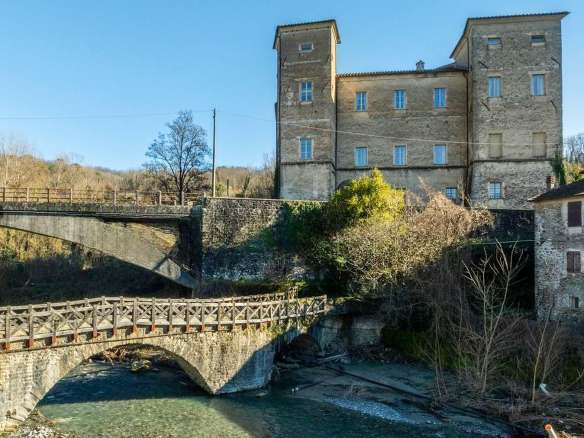
- Condition of private roads, bridges and retaining walls
- Woodland, agricultural land and existing tenancies
- Contents, furniture, artwork and historic fixtures included in the sale
A specialist structural survey is particularly important. Thick walls can conceal water penetration, movement or previous repairs, while roofs, towers and defensive walls may require specialist contractors and traditional materials.
Heritage Restrictions and Restoration
Many Italian castles are protected because of their historical, architectural or cultural importance. A protected property can generally still be bought and sold, but restrictions may affect how it can be renovated, altered or used.
Work involving roofs, façades, windows, frescoes, stonework and historic interiors may require approval from the relevant authorities. Creating new openings, installing lifts, altering staircases or introducing modern systems can be more complicated than in an ordinary residential building.
Before committing to a restoration project, buyers should consult an architect, engineer or geometra with experience of protected historic properties. The proposed plans, likely permissions, suitable materials and realistic costs should be assessed before contracts become binding.
The condition of secondary buildings should also be investigated. Gatehouses, chapels, farmhouses and stables can provide valuable additional space, but they may require separate permissions before they can be converted into accommodation.
Running and Maintaining a Castle
The purchase price represents only one part of the cost of owning a castle. Buyers should prepare an annual budget covering insurance, heating, security, gardening, staffing, roof maintenance and repairs to extensive façades or boundary walls.
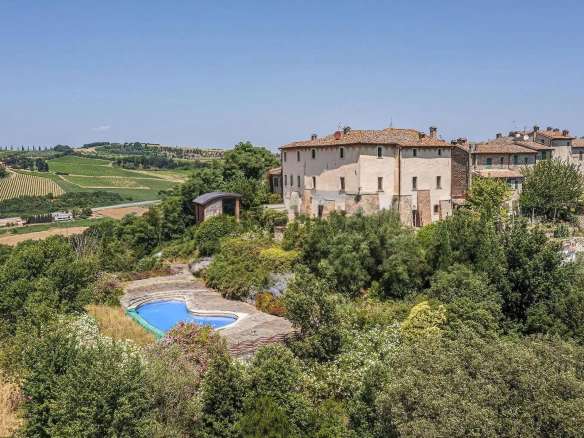
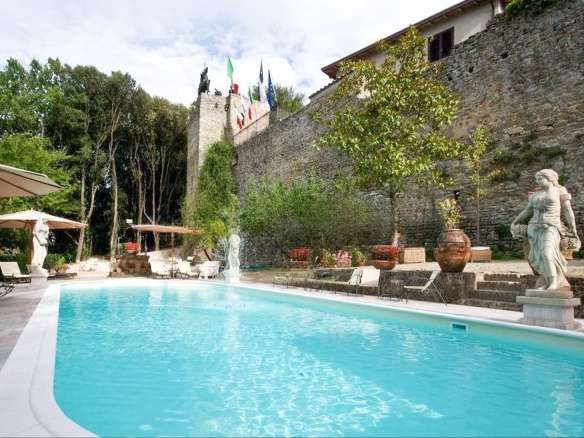
Woodland, formal gardens, swimming pools, private roads and agricultural land create further responsibilities. Depending on the size and use of the estate, a resident caretaker, gardener or property-management company may be required.
Energy performance can vary widely. Some restored castles have efficient heating systems, insulated roofs and renewable-energy installations, while others rely on outdated systems that are expensive to operate. Any proposed improvements must be considered alongside heritage restrictions.
Castles as Hotels, Venues or Investment Properties
Some Italian castles operate as hotels, wedding venues, restaurants, cultural centres or exclusive holiday rentals. Others have the space and setting for such a business but do not yet hold the required permissions.
Buyers considering commercial use should examine:
- The authorised use of each building
- Accommodation and hospitality licences
- Fire safety and accessibility requirements
- Catering and commercial-kitchen permissions
- Capacity limits for weddings and events
- Parking and access for guests and suppliers
- Noise and local planning restrictions
- Existing staff, reservations and supplier contracts
- Previous accounts and operating expenses
Potential income should be assessed carefully against restoration costs, seasonal demand and the expense of maintaining a major historic property. The ability to host guests or events should never be assumed solely because a castle has extensive grounds or reception rooms.
Whether intended as a private residence, heritage restoration or hospitality business, a castle in Italy offers a rare connection with the country’s history. Careful professional checks are essential to ensure that its architectural importance, practical requirements and long-term costs are fully understood before purchase.