








Understanding Apartments in Italy
Apartments for sale in Italy range from compact homes in medieval villages to elegant residences in historic city centres, modern penthouses, lakeside properties and apartments overlooking the Mediterranean. They can provide a convenient base for holidays, a permanent home with nearby services or a property requiring less maintenance than a detached house.
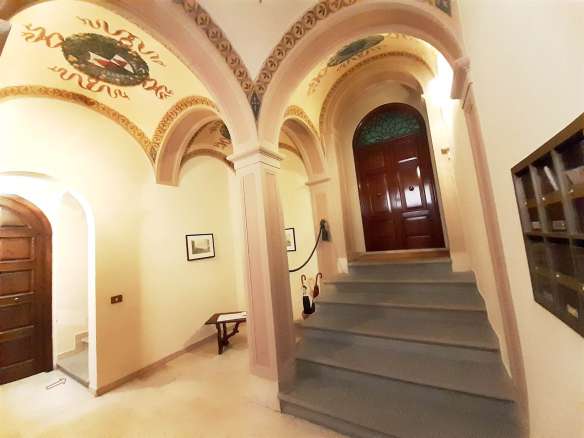
Italian apartments are found within many different types of buildings. Buyers may encounter converted palazzi, traditional stone houses divided into several residences, purpose-built condominium blocks and restored developments with shared gardens or swimming pools.
Common Types of Italian Apartments
The style, size and character of an apartment will depend considerably on its setting and the age of the building. Common options include:
- Apartments within historic town and city centres
- Renovated homes in medieval villages
- Coastal and sea-view apartments
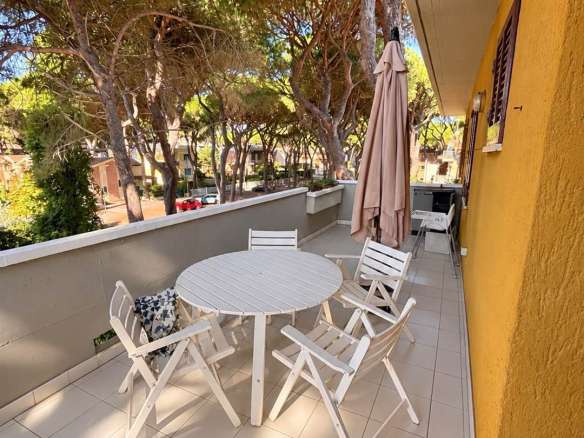
- Lakeside residences with balconies or terraces
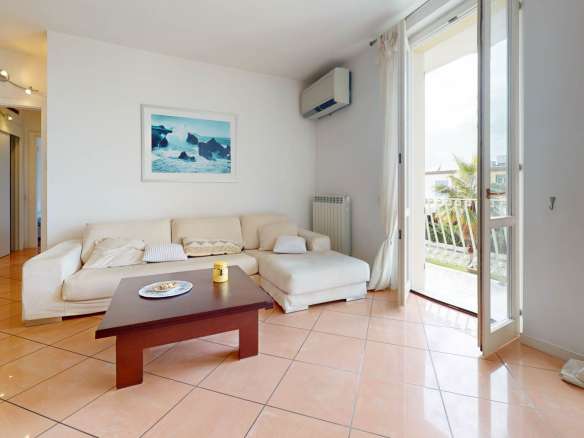
- Modern apartments in towns and suburbs
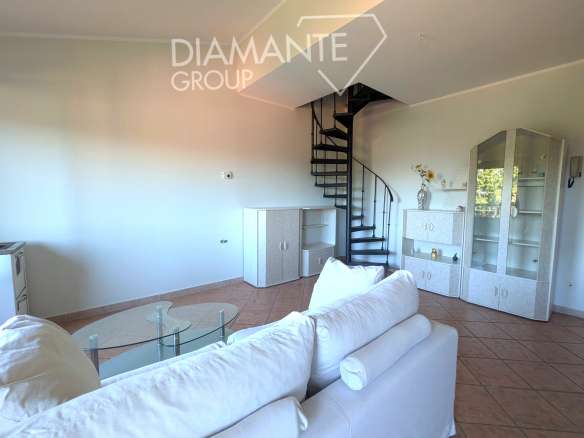
- Penthouse apartments with roof terraces
- Apartments within restored villas or palazzi
- Ski apartments in Alpine and Apennine resorts
- Residences with shared gardens and swimming pools
- Apartments requiring complete or partial renovation
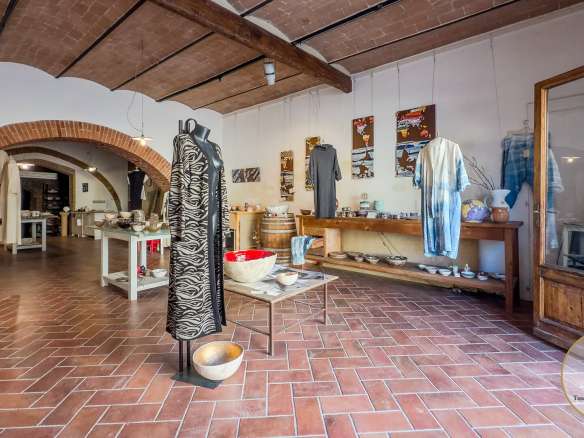
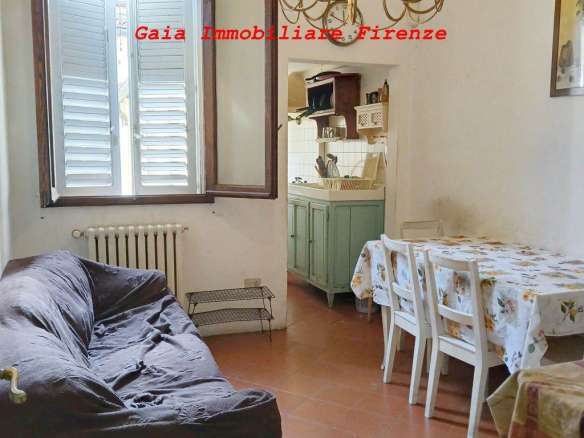
Period properties can include frescoed ceilings, exposed beams, terracotta floors, stone walls and original fireplaces. More modern developments may provide lifts, private parking, energy-efficient heating and easier access for residents with limited mobility.
Where to Find Apartments in Italy
Major cities such as Rome, Milan, Florence, Turin, Bologna and Naples offer everything from small studios to prestigious apartments in historic buildings. City properties provide convenient access to shops, restaurants, cultural attractions and public transport, although parking and outdoor space may be limited in central areas.
Tuscany and Umbria offer apartments in historic cities, walled towns and hilltop villages. These can be an attractive alternative to rural farmhouses for buyers wanting traditional architecture without responsibility for extensive land.
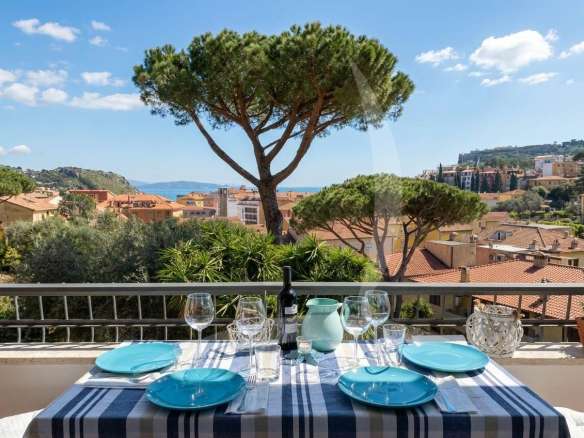
Coastal regions such as Liguria, Puglia, Calabria, Sardinia and Sicily provide apartments in fishing villages, seaside resorts and larger coastal towns. Properties with balconies, terraces, sea views and straightforward access to beaches are particularly sought after.
Northern Italy includes apartments beside Lake Como, Lake Garda and Lake Maggiore, as well as mountain properties in Lombardy, Piemonte, Veneto and Trentino-Alto Adige. These locations can suit buyers interested in boating, walking, skiing and other year-round outdoor activities.
Apartment Living in Italy
Apartment living can place owners within walking distance of local shops, cafés, restaurants and public transport. In smaller towns and villages, it also offers an opportunity to become part of an established community and experience everyday Italian life.
Apartments can require less exterior maintenance than detached houses because responsibility for the roof, façade, stairs and shared areas is normally divided among the owners. This can be convenient for second-home buyers, although it also means that decisions and expenses affecting the building may be shared through a condominium.
Outdoor space differs considerably. Some apartments have private balconies, terraces or gardens, while others only include access to a shared courtyard. In dense historic centres, properties with lifts, parking and usable outside space may be more difficult to find.
Condominium Charges and Shared Areas
Many apartment buildings are managed as a condominio. Owners usually contribute towards the maintenance and operation of communal parts of the building, which can include:
- Roofs, façades and entrance halls
- Staircases and lifts
- Shared heating systems
- Gardens and swimming pools
- Private roads, gates and lighting
- Caretaker or management services
- Building insurance and general administration
Before purchasing, buyers should request details of the regular condominium charges, recent meeting minutes, current accounts and any major works already approved or under discussion. Planned repairs to a roof, façade, lift or swimming pool can create substantial additional costs.
The condominium regulations should also be reviewed, particularly if the property will be used for holiday accommodation, professional purposes or significant renovation work.
Buying an Apartment in Italy
Every apartment should be checked for planning and cadastral compliance. The registered layout should correspond with the property as it currently exists, including internal walls, bathrooms, mezzanines, terraces and any rooms converted from storage space.
Buyers should also confirm exactly what is included in the sale. Cellars, garages, parking spaces, lofts and sections of garden may be registered separately or subject to shared-use arrangements.
Important checks include:
- Legal ownership and cadastral classification
- Planning permission for alterations
- Condominium charges and unpaid contributions
- Approved or proposed building works
- Condition of the roof, façade and shared services
- Heating, cooling and energy performance
- Water pressure, drainage and signs of damp
- Lift access and the number of stairs
- Parking arrangements and vehicle access
- Restrictions affecting holiday letting
A qualified geometra, architect or engineer can examine the apartment and the wider building before contracts become binding.
Renovating an Italian Apartment
An apartment requiring renovation can offer the opportunity to restore period details while creating a more practical interior. However, work affecting structural walls, windows, terraces, plumbing or shared services may require both official permission and approval from the condominium.
In historic buildings, external alterations may be restricted to protect the appearance of the property or surrounding area. Replacing windows, installing air-conditioning units or adding satellite equipment may therefore require consent.
Buyers should assess the condition of electrical wiring, plumbing, heating, floors and ceilings. Access for builders and materials can also affect renovation costs, particularly when the apartment is on an upper floor without a lift or situated inside a restricted-traffic zone.
Apartments as Holiday Homes or Investments
Apartments in established tourist destinations may provide opportunities for short-term or longer-term letting, but income should never be assumed solely from the location. Seasonality, management fees, condominium rules and local competition all influence performance.
Owners intending to offer holiday accommodation should check the current national, regional and municipal registration requirements. The condominium regulations should also be examined before purchase to identify any restrictions affecting short-term letting.
Whether you are searching for an urban home, a village apartment, a lakeside residence or a property close to the beach, apartments in Italy offer a wide selection of locations, architectural styles and price ranges.