


 by
Published · 5 min read
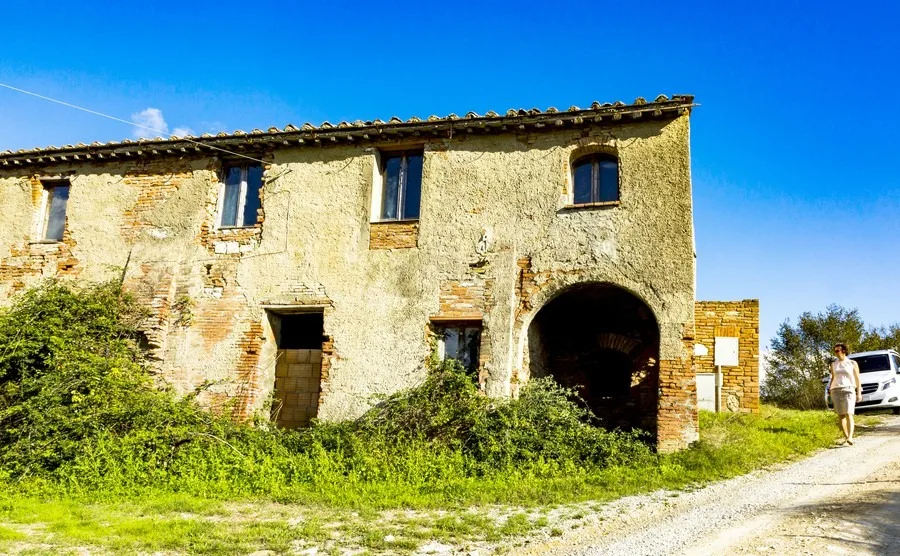
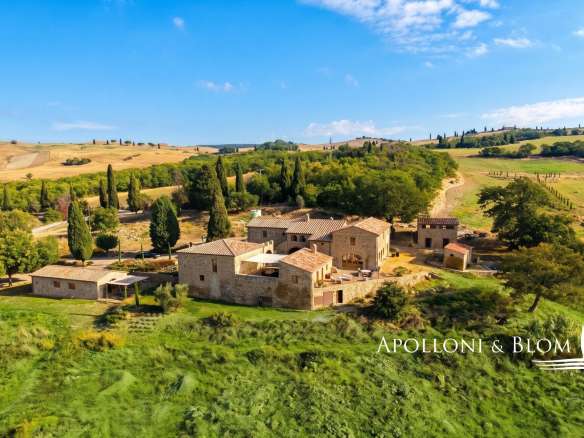
A stone farmhouse with a sagging roof, or a village house that hasn’t been touched in fifty years, can be the best-value way into Italy. The asking price is often low. But the price you pay the seller is only the start. This guide explains what to check before you buy a house to renovate, the permits involved, the costs people forget, and how to set a budget that gets the project finished.
First, know what you’re buying
On Realpoint, every listing can show a condition, so you can tell at a glance how much work a property needs:
- Habitable / Minor work: you can live in it while you update kitchens, bathrooms and finishes.
- Major work / Restoration: a full project, typically with a new roof, new systems (wiring, plumbing, heating) and structural repairs. You won’t live in it until it’s done.
- Rebuild / ruin (rudere): walls and little else. What you can rebuild depends on what the land registry and the comune recognise as existing.
You can browse homes listed for restoration, or describe what you want in our AI property search, for example “stone farmhouse to restore with land in Umbria” or “village house that needs work under €60,000”.
Checks to make before you sign anything
With a renovation, most of the risk is decided before you buy. Pay a local surveyor (geometra), architect or engineer to look at the property and its papers before you make a binding offer:
- Is it all legal? The building should match its planning records and land registry plans (conformità urbanistica e catastale). Unapproved extensions or outbuildings may have to be regularised or demolished, which costs time and money.
- What can you actually build? Ask what the comune’s plan allows: changing the layout, adding windows, converting a barn into living space, adding a pool. With a ruin, check how it is registered; a collapsed building is often recorded as an unità collabente, and rebuilding depends on proving the original volume.
- Structure and earthquakes. Much of central and southern Italy is in a seismic zone. Major works usually have to include structural strengthening, which an engineer must design. Ask about cracks, previous repairs and any earthquake damage.
- Roof, damp and walls. These are usually the biggest single items, so look closely at all three.
- Services. Is there mains electricity and water, or a well? Drains or a septic system? For country houses, ask the network operators for a connection quote before you buy, because a long new supply line can be expensive.
- Access. Can a builder’s lorry reach the house? Is the road public, or a right of way over someone else’s land?
- Protected areas. In historic centres, national parks and protected landscapes, works need extra approval (for example from the Soprintendenza) and may need traditional materials.
If something important is unclear, make your offer conditional on it, for example on a satisfactory survey.
The permits, in plain terms
Almost all renovation work in Italy needs some form of permission, filed with the comune by your geometra or architect:
- Light works that don’t touch the structure (new bathrooms, internal layout, systems) usually need a simple notice to the comune, often a CILA.
- Structural works and bigger changes usually need a SCIA, plus the structural design.
- New volume (extensions, rebuilding a ruin, some changes of use) usually needs full planning permission, the permesso di costruire, which takes longest.
Exactly which applies depends on the work and the comune. Your professional will advise; the point for your budget is that design, permits and waiting time all belong in the plan.
Building a realistic budget
Renovation costs vary enormously by region, access, materials and finish, so don’t rely on a figure per square metre from the internet. Instead, build your budget from these parts, and get real quotes for each:
- The purchase, plus buying taxes, notary and agent fees (see how to buy property in Italy).
- Professional fees: survey, design, structural engineering, permits, and site supervision (direzione lavori).
- The building work itself, from at least two or three builders’ quotes based on the same drawings.
- Connections and outside works: utilities, septic system, access road, walls, land clearance, and a pool if you want one.
- Fit-out: kitchen, bathrooms, flooring, heating, furniture.
- Living costs during the works: travel, somewhere to stay, and IMU and insurance on the property.
- A contingency. Old buildings hide surprises: a beam that has to be replaced, a wall that needs rebuilding. Many people keep a reserve of 15–20% on top of the quotes and are glad they did.
A useful test: add the purchase price and the full renovation budget, then compare the total with homes already restored nearby. If a finished house down the road costs the same or less, buying ready-made may be the better choice, unless you want the project itself.
Renovation tax credits
Italy has tax credits for renovation and energy-saving work, but two things matter for foreign buyers. First, they are usually claimed against Italian income tax over several years, so they mostly help people who pay tax in Italy. Second, the rates and rules change most years, and the large Superbonus has largely ended. Treat any credit as a bonus, not as part of your budget, and check the current rules with a commercialista.
Managing the project from abroad
- Appoint a site supervisor (your architect or geometra as direttore dei lavori) who visits regularly and signs off each stage.
- Use a written contract with the builder: the work, the price, the payment stages and the completion date.
- Pay in stages as work is completed, by traceable bank transfer, never everything up front.
- Allow time. Design and permits can take months before work starts, and good builders are booked ahead. August is largely a holiday month.
Where to look
Homes to restore are found all over Italy, but our region buying guides show where they cluster and what to check locally. Start with Umbria and Tuscany, with more regions added every week on Discover Italy. Before you go, read the 7 mistakes foreign buyers make, and budget for the yearly property taxes too.
This is general information, not legal, tax or building advice. Rules differ between comuni and change over time, so confirm the details with a local geometra, architect, notary or commercialista before you buy.
Homes for sale in Italy
- €1,000,000


- €1,800,000

- €1,700,000

- €1,590,000

- €1,400,000


